


Oxford Aerials is a small, friendly business built on experience, reliability and a commitment to keeping up with the latest technology. The company is run by Shaun Guard, who brings more than 35 years of experience in the aerial and satellite trade to Oxfordshire and its surrounding counties.
Over the years, Shaun has built a trusted team around him, with four long-standing installers delivering high-quality installations and excellent customer service across the region.
Behind the scenes, Teresa has been helping to run the business from the office for more than 16 years, ensuring everything runs smoothly from the first customer enquiry through to the completion of each job. Together, the team combines decades of practical knowledge with a strong focus on customer care.
Technology Evolution
Like many trades within the home technology sector, the TV aerial and satellite industry has evolved significantly over the years. Having worked alongside Tom from Blinkhorns for many years, Shaun has seen first-hand how rapidly the industry has changed as new technologies emerge and viewing habits shift. Increasingly, entertainment and communication services are moving online and reliable internet connectivity has become essential in modern homes.
Recognising this shift, Oxford Aerials has expanded its services beyond traditional TV aerial and satellite dish installations. Today, the company also specialises in reliable WiFi and data installations designed to meet the needs of modern living.
From improving home connections for streaming services on smart TVs to creating strong, stable internet for home offices and garden offices, the team helps customers get the most from their home networks.
Building a Good Home Network: Reliable Internet for Work, Play and Everything In Between
The modern home runs on connectivity. From video calls in the home office to online gaming in the bedroom and streaming movies in the living room, a reliable home network is no longer a luxury—it’s essential. Yet many households still rely on a single Wi-Fi router struggling to serve every device under one roof.
A better solution combines wired infrastructure and strategically placed wireless access points. With the right setup, families can enjoy fast, stable internet in every room while supporting work, gaming and entertainment without frustrating slowdowns.
At the centre of every home network is the router—the device that connects your household to the internet. However, the router alone is no longer expected to cover an entire house—especially multi-storey homes or properties with thick internal walls.

Expanding the Network with Switches
As homes add more connected devices—smart TVs, gaming consoles, desktop PCs, and networked storage—the number of wired connections quickly grows. This is where a network switch becomes invaluable.
A switch acts like a central hub, allowing multiple devices to connect to the network through Ethernet cables.
Some switches also support Power over Ethernet (PoE), which allows network cables to supply electricity to devices like wireless access points.
Why Wireless Access Points Beat Basic Wi-Fi
Many homeowners attempt to improve Wi-Fi coverage with range extenders or mesh systems, but these solutions often introduce performance compromises. A more robust approach uses dedicated wireless access points connected directly to the wired network.
Access points distribute Wi-Fi throughout the home while relying on fast Ethernet connections for backhaul. Popular models such as the TP-Link Omada range and Ubiquiti U6 are commonly mounted on ceilings or high walls to maximise coverage.
In a typical two-storey home, installing one access point per floor often provides seamless Wi-Fi throughout the property. Larger houses may require additional units to eliminate dead zones.
The Power of Cat6 Cabling
While Wi-Fi is convenient, nothing beats the speed and reliability of a wired connection. Installing structured Ethernet cabling—most commonly Cat6—creates the backbone of a modern home network.
Cat6 cables support gigabit speeds with ease and can even handle 10-gigabit connections over shorter distances. Running cables to key locations such as the home office, living room and gaming areas ensures that devices which demand the most bandwidth receive the most stable connection.
A well-planned layout might include Ethernet runs for:
- Desktop computers and docking stations
- Smart TVs and streaming devices
- Gaming consoles
- Wireless access points
- Network storage or backup systems
Once installed, this infrastructure can support a household’s connectivity needs for many years.
Designing a Reliable Home Office
Remote and hybrid work has transformed spare rooms and kitchen tables into full-time offices. For professionals who rely on video meetings and cloud services, network stability is critical.
A wired Ethernet connection to the desk remains the best option for consistent speeds and low latency. Pairing this with a nearby wireless access point ensures laptops, phones and tablets also enjoy strong connectivity.
Some routers also allow traffic prioritisation, ensuring video calls or business applications receive priority over less critical activities on the network.
Keeping Up with the Gamers
Gaming is one of the most demanding uses of a home network. Online multiplayer titles rely on low latency and stable connections—conditions that Wi-Fi cannot always guarantee.
Connecting gaming consoles directly via Ethernet provides the best experience. Systems such as the Sony PlayStation 5 and the Microsoft Xbox Series X perform noticeably better when connected with a wired link rather than relying on wireless signals.
Parents may also choose to create separate Wi-Fi networks for children’s devices or apply parental controls through the router.
A Network Built for Modern Living
A thoughtfully designed home network typically includes:
- A capable router connected to the broadband service
- A multi-port network switch for wired devices
- Two or more wireless access points for whole-home Wi-Fi
- Cat6 cabling linking rooms and devices
This approach ensures reliable internet for every member of the household—from work meetings to late-night gaming sessions.
In an increasingly connected world, investing in proper home networking isn’t just about faster speeds—it’s about creating a digital environment that supports how modern families live, work and relax.
Starlink
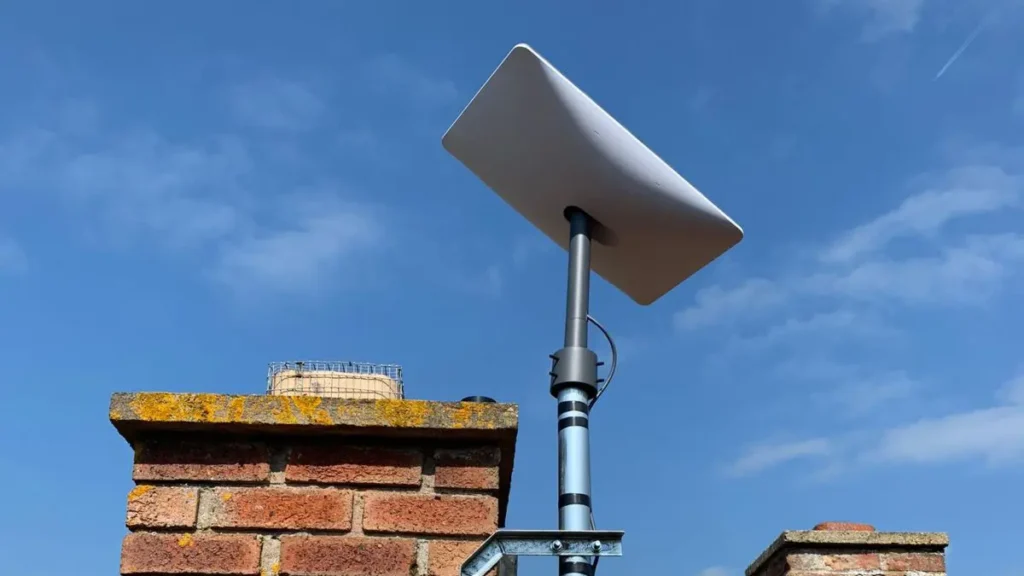
Oxford Aerials is also proud to be a Starlink-approved installation company. Over the past couple of years, the team has installed a growing number of Starlink internet dishes, either working independently with customers or through Starlink’s own in-house installation service. This allows homeowners in rural or hard-to-reach areas to access high-speed satellite internet where traditional broadband options may be limited.
With decades of experience and a clear focus on the future, Oxford Aerials continues to evolve alongside the technology it installs—helping homes stay connected, entertained and ready for whatever comes next.
Contact Us
Our website can offer more insight to our services www.oxfordaerials.co.uk or we can be contacted on our main Oxford number 01865 400141 or via direct email shaun@oxfordaerials.co.uk