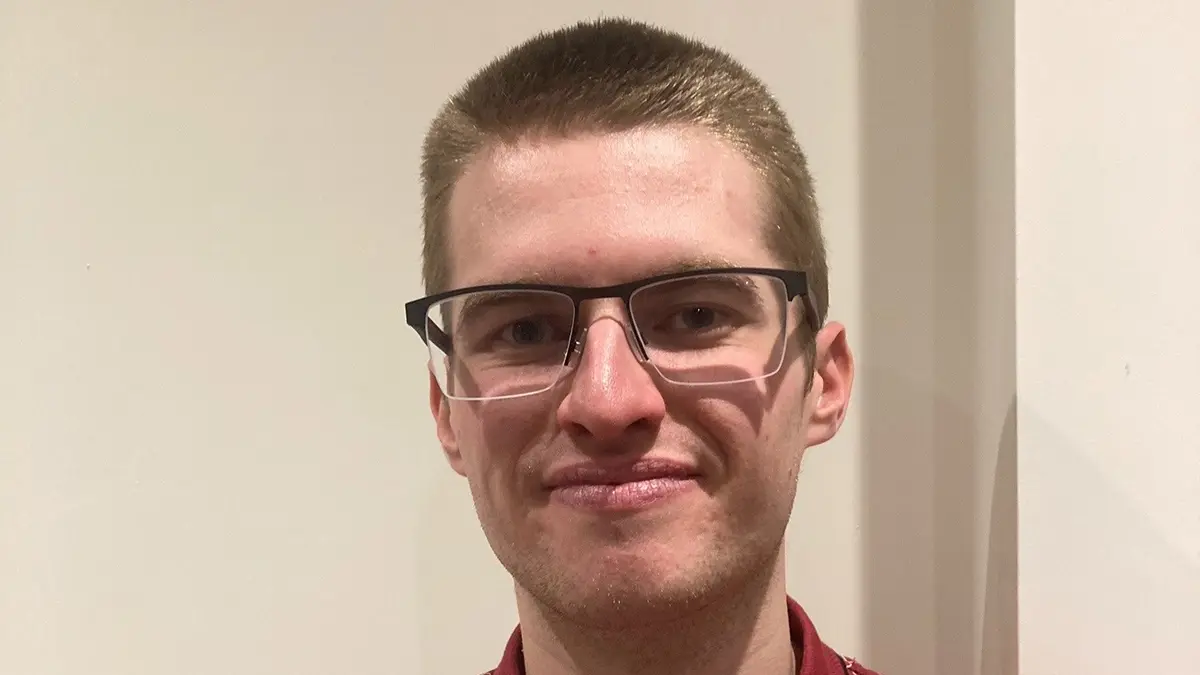

Award-winning filmmaker, author and journalist Weam Namou has spent much of her career telling the stories that mainstream cinema has too often overlooked. Born in Baghdad and raised in the United States after her family fled Iraq, the Chaldean-American creative has built a body of work exploring identity, displacement and cultural understanding through both literature and film.
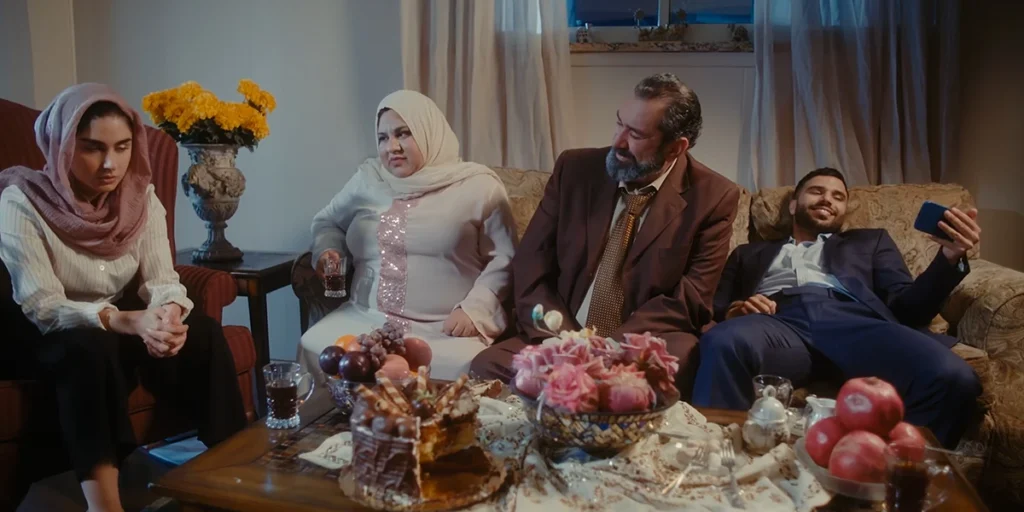
Her latest feature, Pomegranate, is the first Iraqi-American narrative film led by a creative team drawn from the community it portrays, following a young Iraqi Muslim immigrant as she navigates life between tradition, politics, and belonging in suburban Michigan during the 2016 US election. Inspired by Namou’s own experiences and adapted from her novel of the same name, the film combines humour, heart and social commentary to challenge stereotypes and celebrate authentic representation.
I spoke with Namou about bringing Pomegranate to the screen, balancing independent filmmaking with personal storytelling, and why truthful representation remains at the heart of everything she creates.
Your film explores Iraqi American identity and representation, particularly at a time when conversations around culture, religion and politics were becoming increasingly divided. What inspired the story and the characters at the heart of the film?
The story began during the 2016 US presidential election, a period marked by significant tension across the country and within many communities, including my own. There was a lot of division between political groups, but there were also growing tensions between Muslim and Christian communities.
At the time, I tried engaging with some of those conversations on social media, but I found the environment very aggressive and stressful. It wasn’t the way I wanted to express myself. I have always loved writing long-form stories and books, so I decided that storytelling through film was the better way for me to explore these issues.
Before this film, I attended film school and created a feature documentary called The Great American Family. I wanted to write a story based on what I was witnessing around me — the experiences of my community, our relationships, our struggles and our hopes.
I am Christian, and many of my friends are Muslim. During that period, there was a lot of tension, but I wanted to tell a story that moved beyond division. When the film was eventually released, it was after another presidential election cycle, and in some ways it felt like history was repeating itself. That made the themes of the film feel even more relevant.
What was the process of transforming the story from the page into a film?
The story actually began as a screenplay. It became a quarterfinalist in Francis Ford Coppola’s Zoetrope screenplay competition and attracted attention from producers in Los Angeles. Eventually, Buffalo 8 from California partnered with us.
After writing the screenplay, I decided to turn it into a book because writing books has always been something very personal to me. The book was also a way to prepare myself and the actors before filming began.
A screenplay focuses heavily on action and dialogue. While you need to understand your characters deeply, there are limitations to how much of their internal thoughts you can express. A novel gives you more freedom. You can explore what characters are feeling, what motivates them, and how they see the world around them.
Having the cast and crew read the book before production helped everyone understand the characters, the setting and the emotional foundation of the story. There is also a lot of poetry within the film, and the book allowed us to connect more deeply with those elements.
Independent filmmaking often requires balancing creative ambition with practical limitations. What challenges did you face during production, and how did you approach those limitations?
We filmed during COVID, which created challenges, although in some ways it also helped us. Because everyone had become familiar with technology such as Zoom, we were able to conduct auditions remotely and communicate in ways that may not have been possible before.
Independent filmmaking always involves working within financial limitations. You have a specific budget, and you have to make creative decisions around what is realistic. Distribution can also be challenging for independent filmmakers.
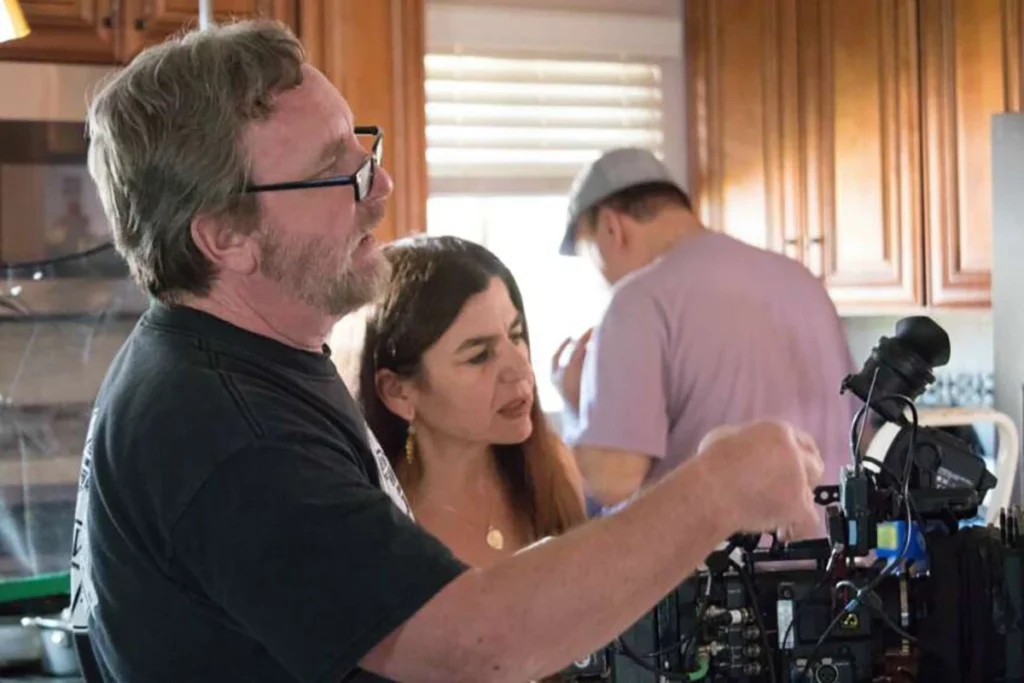
When I studied filmmaking, one of the most important lessons I learned was the importance of locations. You should not have too many locations, and you should choose places you can realistically access. The same applies to characters; you need to be thoughtful about the size of your story.
I decided early on that the film would take place in my house and my brother’s house, which is directly across the street from mine. Interestingly, my brother did not know he was part of the story until we were actually preparing to film. When he saw the cameras and equipment arriving, that was when he realised what was happening.
My sister-in-law was incredibly generous and allowed us to use their home. We did our best to respect the space and not change anything. Seeing the final film and recognising those locations was meaningful because the story itself is about neighbours and communities coming together.
One of the most special aspects of the production was that the Muslim family in the film was represented by Muslim actors, many of whom were Iraqi, while the Chaldean family was represented by Chaldean actors. Everyone felt that the story represented them.
We felt that we were sharing something authentic, something we genuinely wanted to communicate. Unfortunately, the wider community response was not always what we hoped for, but I tried not to focus on that. The important thing was that the people involved believed in the story.
The film has since reached audiences internationally and has been screened at universities, including the US Naval Academy. How does it feel to see the story connect with people?
It has been incredibly rewarding. The film has reached audiences in more than 200 countries and has been screened at universities. At its heart, it is an entertaining film with humour, but it also offers a perspective that many people may not have seen before.
I wanted to create something that moved away from stereotypes. I wanted people to understand who we really are, what we experience and what our communities feel. Often, the loudest voices in politics do not necessarily represent everyday people. There are experiences, especially around issues affecting women and families, that are not always represented accurately.
The film balances humour with serious themes and explores complex family dynamics. How did you work with the actors to create that authenticity?
I began writing the story in 2016 and filmed it in 2021, so I had spent years developing these characters. I worked closely with mentors, including Dr Stan Williams, who helped me strengthen the screenplay and structure the story.
By the time I met the actors, I knew these characters deeply. During the year before filming, while I was writing the book, we communicated regularly and rehearsed through Zoom. When casting, I looked for actors who connected with the characters emotionally. For example, the actress who played Samir Rahmani immediately understood the role and expressed how much she wanted to be part of the project.
My responsibility as a director was to make the actors feel comfortable and supported. Many of them were taking on major roles in their first feature film, so there was understandably some nervousness.
There were moments when actors questioned their performances and wondered if they could do a scene differently. I would remind them to trust the process because I believed in them. That trust was important, and they went on to do incredible work. Many of them have since received awards and recognition.
I was also fortunate to have a strong team around me, including producer Scott Rosenthal, producer Sam Sacco, our cinematographer and our editor. Independent filmmaking requires everyone to wear many different hats, but having people you can rely on makes the process possible.
You mentioned that independent filmmakers often have to take on many roles. How involved were you in the post-production and editing process?
I was extremely involved. I went through every scene, selected the strongest moments and worked closely with the editor. From my first documentary, I learned the importance of preparation and having a clear outline. When I sent material to the editor, I was very specific about what I wanted, even down to particular moments within scenes.
My editor, Jamal Adams, was an incredible collaborator. He had already been involved during production and understood the story very well. Because we stayed close to the script, we had a clear foundation to build from. He also brought a musical background, which helped enormously with sound and editing decisions. The technical side of filmmaking is important, but the editor also needs to understand the director’s vision creatively.
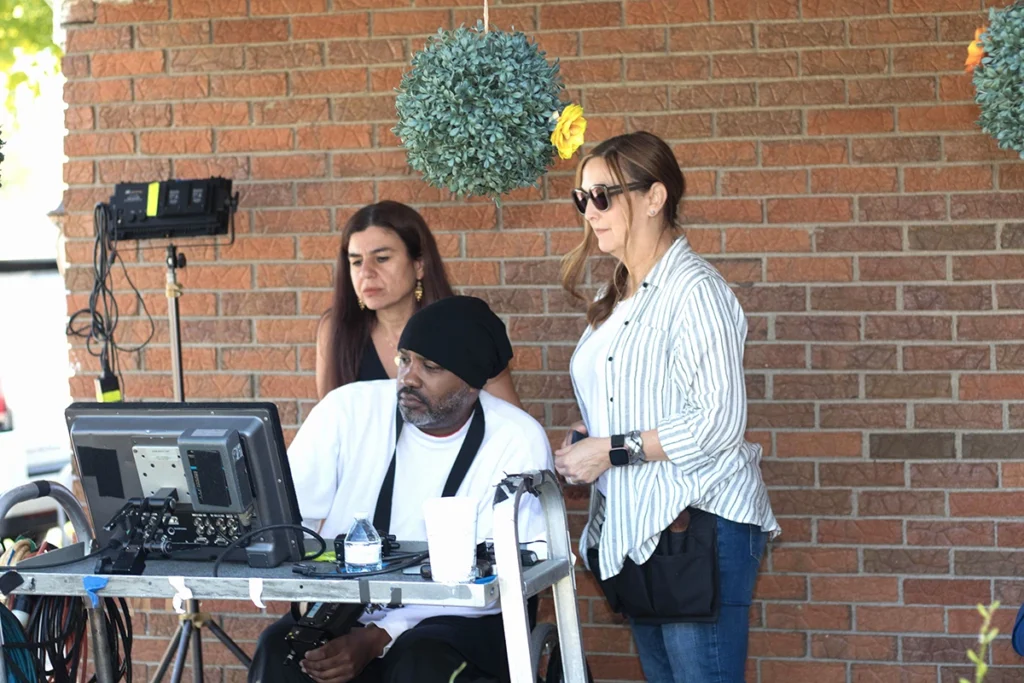
Ultimately, I was very involved in making the final decisions because protecting the story was always my priority.
You are now working on your next documentary, The Chaldean American Storyteller. What can audiences expect from that project?
It is a very personal documentary about my own journey, beginning in Baghdad, Iraq. I was born there as a minority Christian during the Ba’ath Party era, and my family experienced many struggles before eventually leaving Iraq.
I have always wanted to tell the story of our people. Chaldeans are indigenous people of Iraq with thousands of years of history. Our heritage is connected to some of the earliest recorded examples of writing and civilisation. However, many people today do not realise that we still exist. Our language, Aramaic, is endangered, and many people do not know that it is still spoken.
After ISIS destroyed many of our ancestral villages, I felt a responsibility to tell our story. I wanted to create something personal rather than simply an informational documentary.
I believe stories reach people’s hearts when they are intimate and truthful. If we only explain history, people may feel disconnected. But when we share personal experiences, people connect emotionally. That is how we begin to understand one another and heal some of the wounds carried by communities from the Middle East.
For aspiring filmmakers who want to tell stories rooted in their own communities, what advice would you give them about financing, creative control and staying committed to their vision?
My advice is to believe in yourself and your story first. Do not think success depends only on who you know or how much money you have. You have to believe in the importance of what you are creating, and then you have to do the work. Filmmaking requires commitment and patience.
When I started creating my stories, I had many responsibilities. I was building a family, raising children, caring for my mother and working. But I never allowed those challenges to stop me from telling the stories I believed in.
Today, filmmakers have access to incredible technology. People can create films using equipment they already own, including phones. There are more opportunities than ever before. But technology is not the most important thing. The story is what matters.
Give your story the time, care and commitment it needs. Some of the most meaningful creations are not made overnight. They require patience, dedication and belief. When you stay committed, you may be surprised by what you can create.