

A visit to Film Africa 2026, the Royal African Society’s flagship celebration of African cinema, offered a compelling insight into the creativity, resilience and determination driving African cinema. From thought-provoking conversations to the remarkable documentary CROCODILE, it was a celebration of the storytellers pushing boundaries and bringing African stories to the world.
For curator Keith Shiri, Film Africa is more than a festival: it is an opportunity to challenge familiar cultural narratives, recover overlooked histories and recognise the power of African cinema to connect us all.
“I have no preconceived ideas about why I’m doing this thing,” Shiri says. “It’s a story.” His approach rests on a conviction that cinema does not need to be confined by geography. A film’s emotional and artistic power can travel, connecting audiences to experiences beyond their own.
He draws a comparison between Italian neorealism and the work of pioneering Senegalese filmmaker Ousmane Sembène, explaining that he can appreciate Vittorio De Sica’s Bicycle Thieves alongside Sembène’s Borom Sarret. Different cultural contexts, he suggests, need not prevent a shared response. “It’s the same thing,” he says of the human drama at the heart of both films.
That openness is central to Film Africa 2026, which returns as the Royal African Society celebrates its 125th anniversary. Opening and closing at BFI Southbank, the festival brings together contemporary features, documentaries, shorts, retrospectives and filmmaker conversations, with screenings and events extending across London and the UK.
For Shiri, widening access to African cinema is also a way of challenging the cultural assumptions that shape what audiences see. “Everyone knows about George Clooney,” he observes, questioning why the same familiar names and stories should dominate the cinematic landscape. Film Africa, he believes, can offer audiences something different: the chance to discover films that expand their understanding of the world.
Film Africa’s programme encompasses contemporary features, documentaries, shorts and filmmaker conversations, spanning countries, languages and generations. Its stories engage with memory, migration, identity, labour, gender, political history and social change, reflecting the breadth of African cinematic experience and the lives of diasporic communities.
On 23 October, Marie-Clémentine Dusabejambo’s BEN’IMANA opened the festival at BFI Southbank. The acclaimed Rwandan drama, winner of the Caméra d’Or at Cannes, explores justice, reconciliation and the enduring impact of the 1994 Genocide against the Tutsi. Dusabejambo became the first Rwandan director to premiere a film in Cannes’ Official Selection.
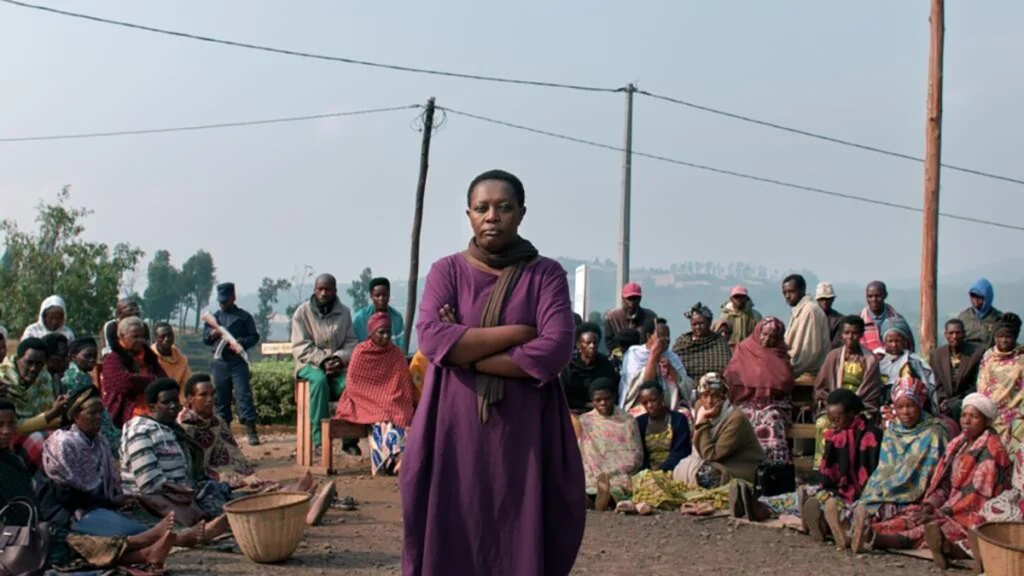
Shiri sees the film as an important reminder that historical trauma does not simply disappear. “The film talks about the rehabilitation [following] what has happened in that country,” Keith asserts, “We are still going through that process of trauma, traumatic kind of experience that happened. That’s not long ago. It’s only 1994.”
“It’s a very quiet conversation that really leads to consciousness where people just have to read about it,” he says “So it’s been picked up in the UK by distribution company, which by we decided that there ought to be an opening film for us. It [the film] is done by this young woman in a debut feature film.”
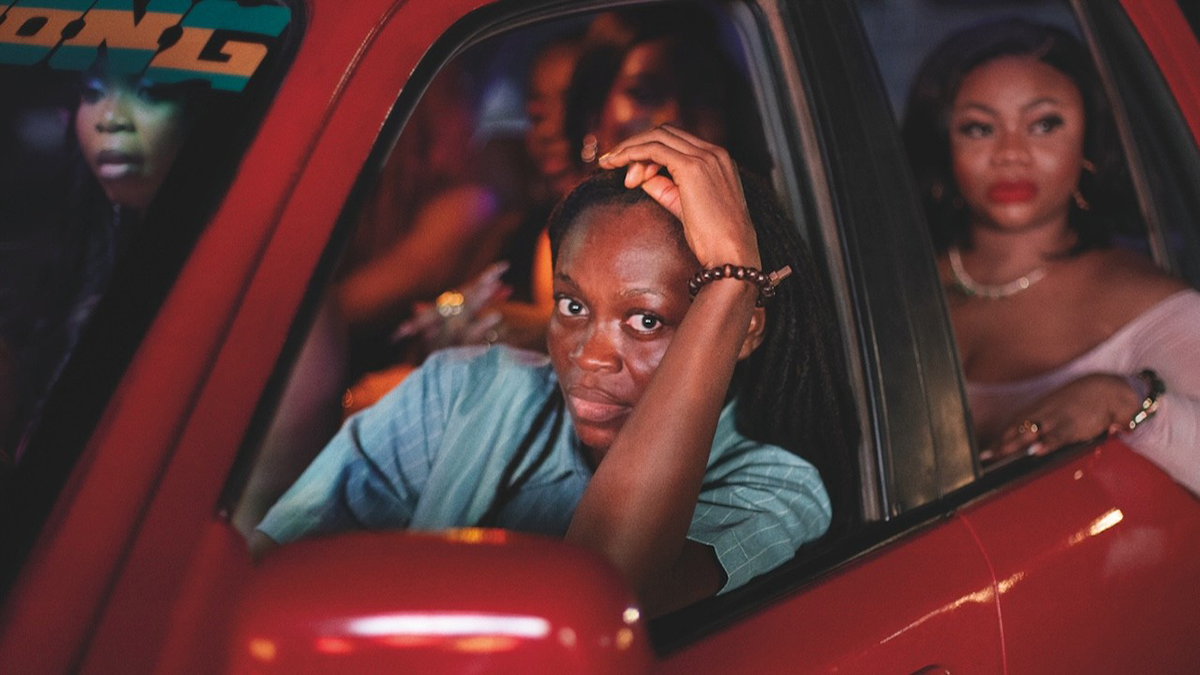
Women’s filmmaking is a particularly important focus this year. The festival’s closing film, LADY, by London-based Nigerian filmmaker Olive Nwosu, turned towards contemporary Lagos, Nigeria’s largest city. Previously shown at the Sundance Festival, the film follows an independent cab driver whose unexpected encounters opens up a world of sisterhood, exploring female solidarity and survival.
Shiri has been impressed by the energy African women are bringing to cinema, and by the ways their work is reshaping its creative possibilities. For him, the central question is: “What does the future of African cinema look like when African women are not simply part of the conversation?”
Shiri goes on to explain that the value of cinema is inseparable from the freedom to discover. “You have to allow, give people an opportunity,” he says, arguing that audiences should be able to encounter films without being told in advance what they must understand. Shiri adds that the festival is “only part of the jigsaw puzzle” of what Film Africa being presented in London can offer. Its significance lies in that possibility: a cinema culture where African films are not peripheral, but an essential part of the stories we share.
One of the films I had the opportunity to see was CROCODILE, directed by Pietra Brettkelly. Set in Kaduna, Nigeria, the title refers to the city’s name, meaning multiple crocodiles. It followed a remarkable group of young filmmakers known as The Critics, who began making their own science-fiction films in a backyard, armed with little more than a mobile phone, erratic electricity supplies and seemingly limitless imagination.
Filmed over thirteen years, the documentary charts their extraordinary journey from enthusiastic youngsters experimenting with filmmaking to a collective determined to make its voice heard. The Critics appear both in front of and behind the camera, sharing their political engagement, heated debates, moments of doubt, personal disagreements and determination to keep creating.
CROCODILE is a sincere and unflinching documentary that pulled no punches in demonstrating the tenacity of African filmmaking. It’s a reminder that creativity does not depend on expensive equipment, established infrastructure or privileged access to the industry. Sometimes, all it takes is a camera phone, a compelling story and the determination to tell it. The film’s energy, humour and sheer will to create made it one of my memorable experiences of the festival.
It was precisely this spirit of discovery that Keith Shiri had spoken about. His belief that audiences should be given the opportunity to encounter films without being told what they ought to think or feel was evident in the breadth of the programme.
Film Africa also provided an opportunity to reflect on the wider importance of African cinema and its place within the international film landscape. Too often, African stories remain underrepresented, despite the extraordinary wealth of talent, imagination and cinematic history across the continent and its diaspora.
My time with Keith Shiri was a reminder that festivals such as Film Africa are about much more than screenings. They create spaces for conversation, exchange and recognition, bringing filmmakers and audiences together while helping to ensure that stories which might otherwise go unheard find their way onto the screen.
Ultimately, the strength of African cinema lies in its diversity, its resilience and the determination of its storytellers. As CROCODILE so beautifully demonstrated, the desire to make films can flourish almost anywhere. Sometimes, the biggest obstacle is simply getting the world to watch them.