
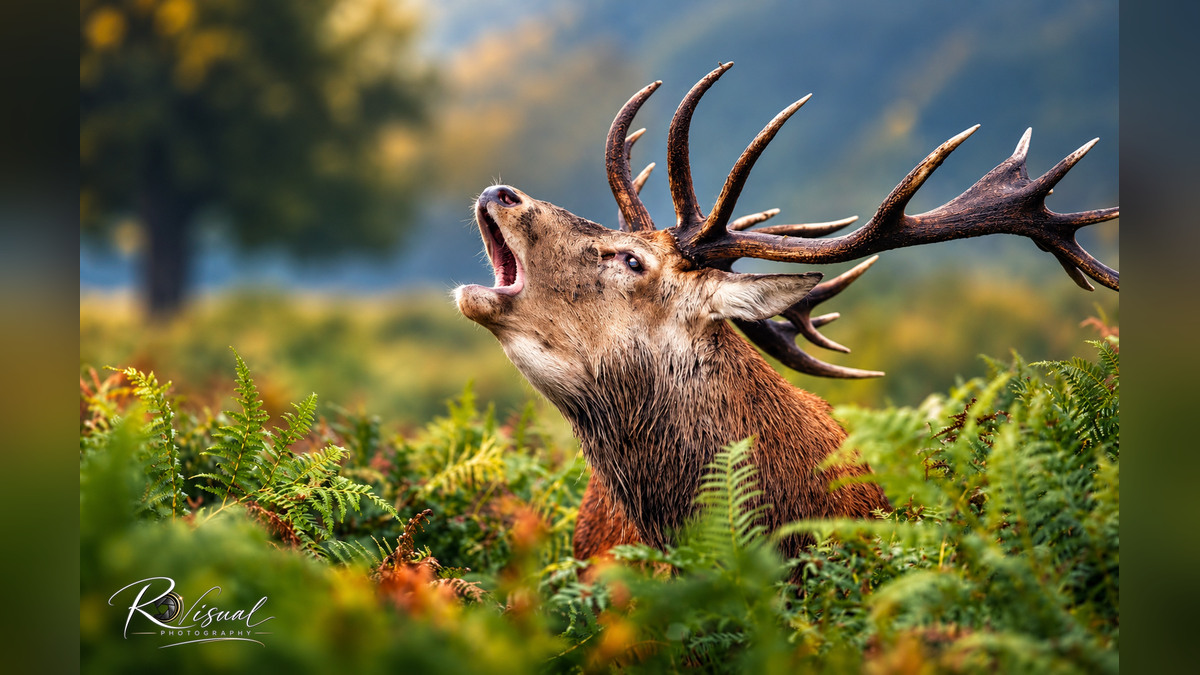
Wildlife photographer in Oxfordshire Lloyd Robinson has a simple reason for taking his camera outdoors: there is always something worth noticing. A bird crossing the sky, a deer calling from the cover of the trees or the fine pattern of feathers around a familiar garden visitor can turn an ordinary moment into something memorable. Through R Visual Photography, Lloyd shares these encounters and invites people to look more closely at the wildlife around them.
Based in Banbury, Lloyd photographs wildlife with curiosity, patience and a strong appreciation for nature. His portfolio includes birds in flight, close-up portraits and expressive moments from the natural world. Every subject offers a new challenge and a new way to tell a story. For Lloyd, wildlife photography is not only about making a beautiful image. It is also a way to encourage others to value the remarkable species and habitats that exist close to home.
What began as a personal passion has grown into a creative pursuit he is proud to share. He is continually learning, refining his skills and pushing himself to capture the moment as he sees it. The ambition is to keep improving, inspire a wider appreciation of local wildlife and, in time, see his photographs featured in magazines and other publications.
A closer look at wildlife close to home
There is a particular pleasure in discovering something extraordinary in a familiar place. You do not always need to travel far to find a compelling subject. A bird perched among spring flowers, the movement of wings overhead or the changing behaviour of animals through the seasons can all reward a little time and attention. Wildlife photography in Oxfordshire gives photographers plenty to observe, from countryside scenes to the birds and smaller creatures encountered in everyday surroundings.
Lloyd’s images reflect that sense of discovery. Some draw the eye with colour and movement; others make a quieter impression through detail. A close portrait can reveal the texture of feathers, the catchlight in an eye or the subtle shift in a bird’s expression. A wider frame can show an animal in its environment and give the viewer a sense of place. These different approaches help make a wildlife portfolio varied while keeping the subject at its centre.
Rather than treating nature as a distant spectacle, Lloyd’s work encourages viewers to notice what is already around them. That idea is central to his interest in photography: the natural world has a way of surprising us when we pause long enough to pay attention. Familiar wildlife can feel new again when it is seen from a different angle or at a decisive moment.
The patience behind a wildlife photograph
A striking wildlife photograph often appears effortless. The animal is in focus, the background is calm and the moment feels perfectly timed. Behind that result, however, is observation and persistence. Wildlife does not follow a script. Light changes, subjects move unexpectedly and a promising encounter may last only a few seconds. A photographer needs to stay attentive, understand the camera and be ready to respond without disturbing the animal.
That process is part of what Lloyd enjoys. Each time he goes out with his camera, he has an opportunity to learn: how a subject behaves, where the light falls and which settings will best preserve the detail or movement in front of him. There is no single formula for every situation. A portrait, a fast-moving bird and an animal in a broad landscape each ask for a different approach. Experience grows through practice, reflection and a willingness to keep trying.
The natural world also asks for patience. Sometimes the best decision is simply to wait and watch. By allowing a moment to unfold, a photographer may capture behaviour that feels more genuine and a composition that says more about the subject. This quiet attention is part of the appeal of wildlife photography. It can turn a walk into a closer study of the life taking place around us.
Capturing birds in flight
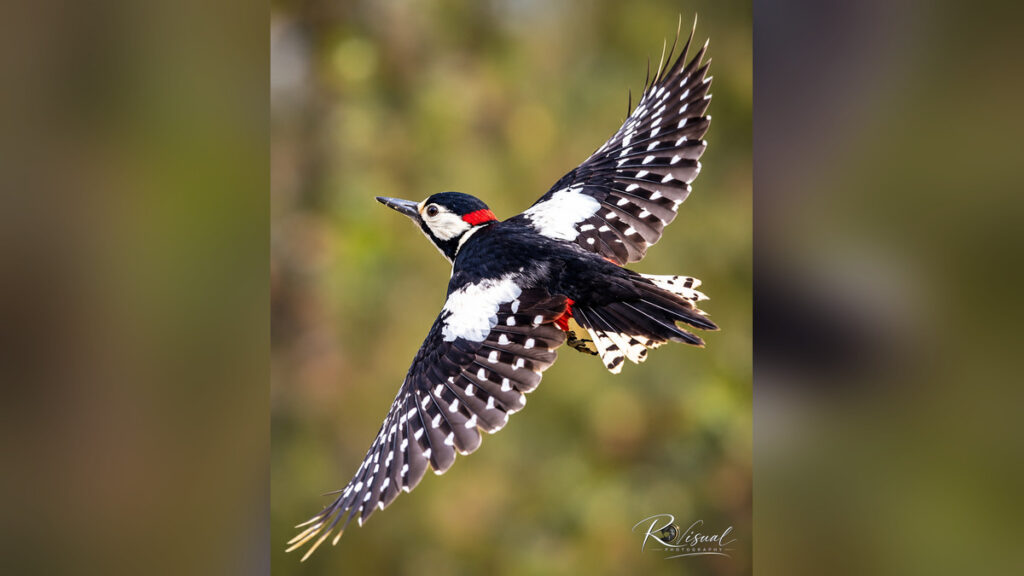
Bird photography brings its own special energy. A bird can change direction in an instant, and the shape of its wings can transform the whole image from one frame to the next. Capturing that movement takes anticipation as well as quick reactions. The photographer must follow the subject, keep it in focus and make choices about shutter speed, framing and background while the action is still unfolding.
Lloyd’s photographs of birds in flight show the range of forms and gestures that make these moments so compelling. A red kite gliding across a clear sky appears almost effortless, while a woodpecker in flight reveals a brief, powerful movement that might otherwise go unseen. The photographs reward a closer look at wing shape, feather pattern and the way each bird carries itself through the air.
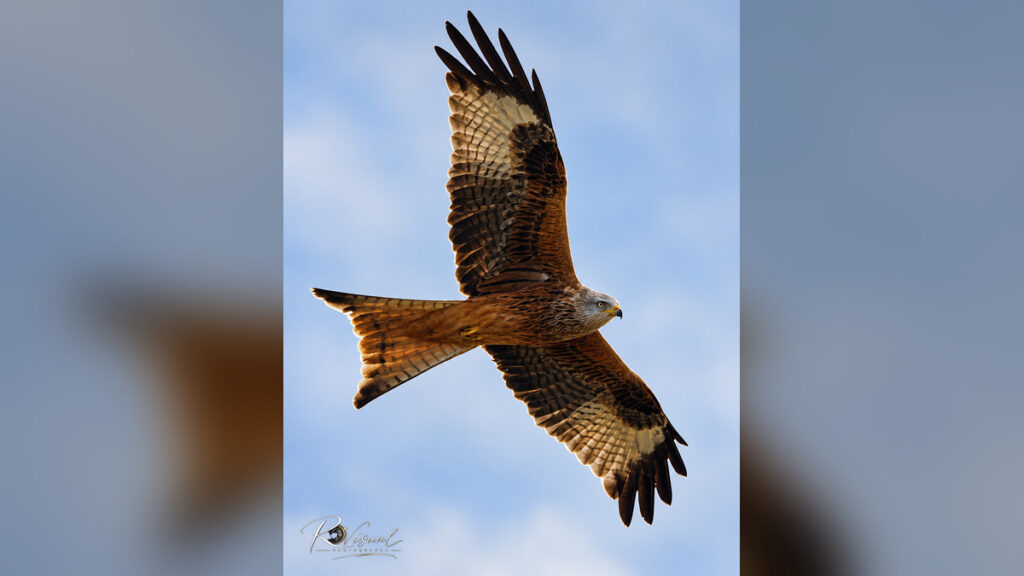
The background matters too. Open sky can give a flying bird room to move within the frame, while a softer natural setting can bring warmth and context. The aim is to keep attention on the animal while preserving the feeling of the moment. For a wildlife photographer in Banbury, these images offer a way to share not just what a bird looks like, but something of the freedom and dynamism of seeing it in motion.
Finding character in a close-up
Not every memorable photograph depends on action. A close-up portrait can hold attention through stillness. In the fine detail of a robin’s feathers, for example, colour and texture come together around a bright, watchful eye. The viewer is given time to notice details that might be missed in a fleeting encounter. A carefully composed portrait can make a familiar bird feel individual and present.
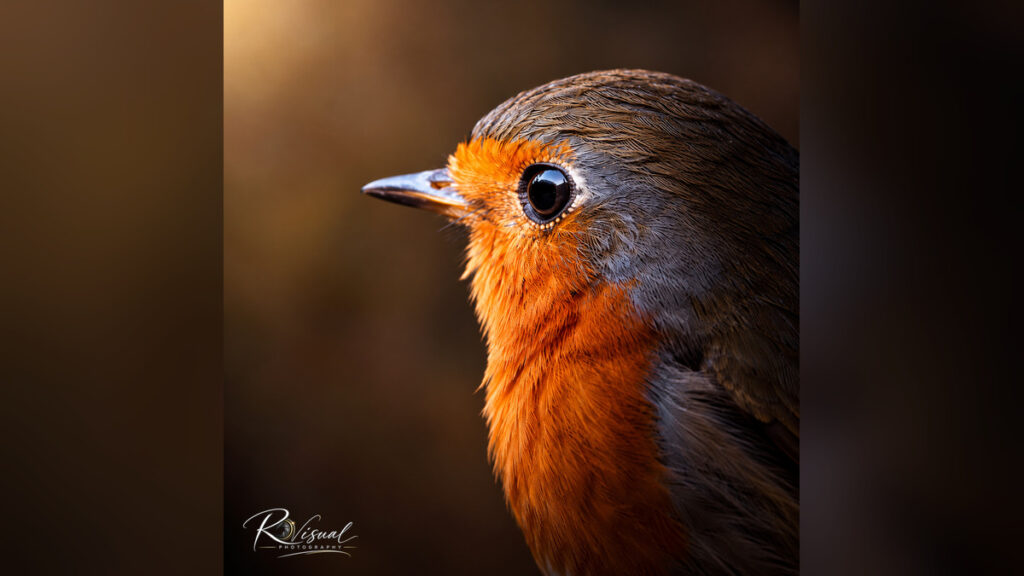
Close-up wildlife photography also asks the photographer to think carefully about focus and depth. Where the eye is sharp, how the light catches the plumage and how much of the background remains visible all shape the finished picture. Small decisions can make the difference between a record of an animal and an image that conveys something about its character.
For Lloyd, these quieter frames sit naturally alongside photographs of birds in flight and wider scenes. They show another side of the same interest: looking closely, staying curious and finding a fresh perspective on the wildlife we share our surroundings with. Whether the subject is a robin, a bird of prey or a tiny insect, each encounter offers details that reward patience.
Why local wildlife photography matters
A photograph can help people feel more connected to nature. It gives them a chance to look carefully at an animal, share that moment with someone else and perhaps become more curious about the species living nearby. This matters because appreciation often begins with attention. When people notice the wildlife around their homes and local landscapes, those places can take on new meaning.
Lloyd hopes his work will inspire others to appreciate the wildlife on their doorstep. The idea is not that every encounter has to be rare or dramatic. A common bird can be just as absorbing when seen in beautiful light or caught in an expressive moment. The value lies in observing the natural world with care and recognising that it is worth protecting and enjoying.
Wildlife photography can also broaden our sense of what a local landscape contains. A field, hedgerow or patch of woodland is more than a backdrop; it is a living environment with changing seasons and many stories unfolding within it. Through his photographs, Lloyd hopes to share some of that richness and encourage people to take a closer interest in the nature around them.
A photographer always learning
Lloyd describes himself as someone who is still learning and improving. That willingness to develop is part of what keeps photography rewarding. Each image offers something to celebrate and something to consider for next time: a different composition to try, a new way to use light or a technical skill to practise. Progress comes from staying engaged with the subject and being open to what each experience can teach.
That continuing process also shapes the future he hopes to build for R Visual Photography. Lloyd would love to see his work featured in magazines and other publications, bringing his photographs to people beyond his immediate circle. It is an ambition that grows from the same motivation that first drew him to wildlife photography: a desire to share the beauty of nature and to show people details they may not have noticed before.
For now, the work is about spending time outdoors, making photographs and building a collection that reflects his perspective. Every outing can bring a new subject or a fresh opportunity to improve. The best images often come from being present, learning from the moment and returning with a stronger understanding of what to look for.
Discover R Visual Photography
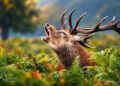
From the expressive call of a red deer stag to the delicate markings of a bird in flight, Lloyd Robinson’s photographs celebrate the variety and character of wildlife. His work brings together bold action, intimate detail and the calm beauty of animals in their surroundings. At its heart is a simple invitation: slow down, look closely and discover more of the nature that is already around you.
Lloyd is the photographer behind R Visual Photography, based in Banbury, Oxfordshire. To explore more of his wildlife photography and follow his latest work, visit Instagram at @rvisual.photo