

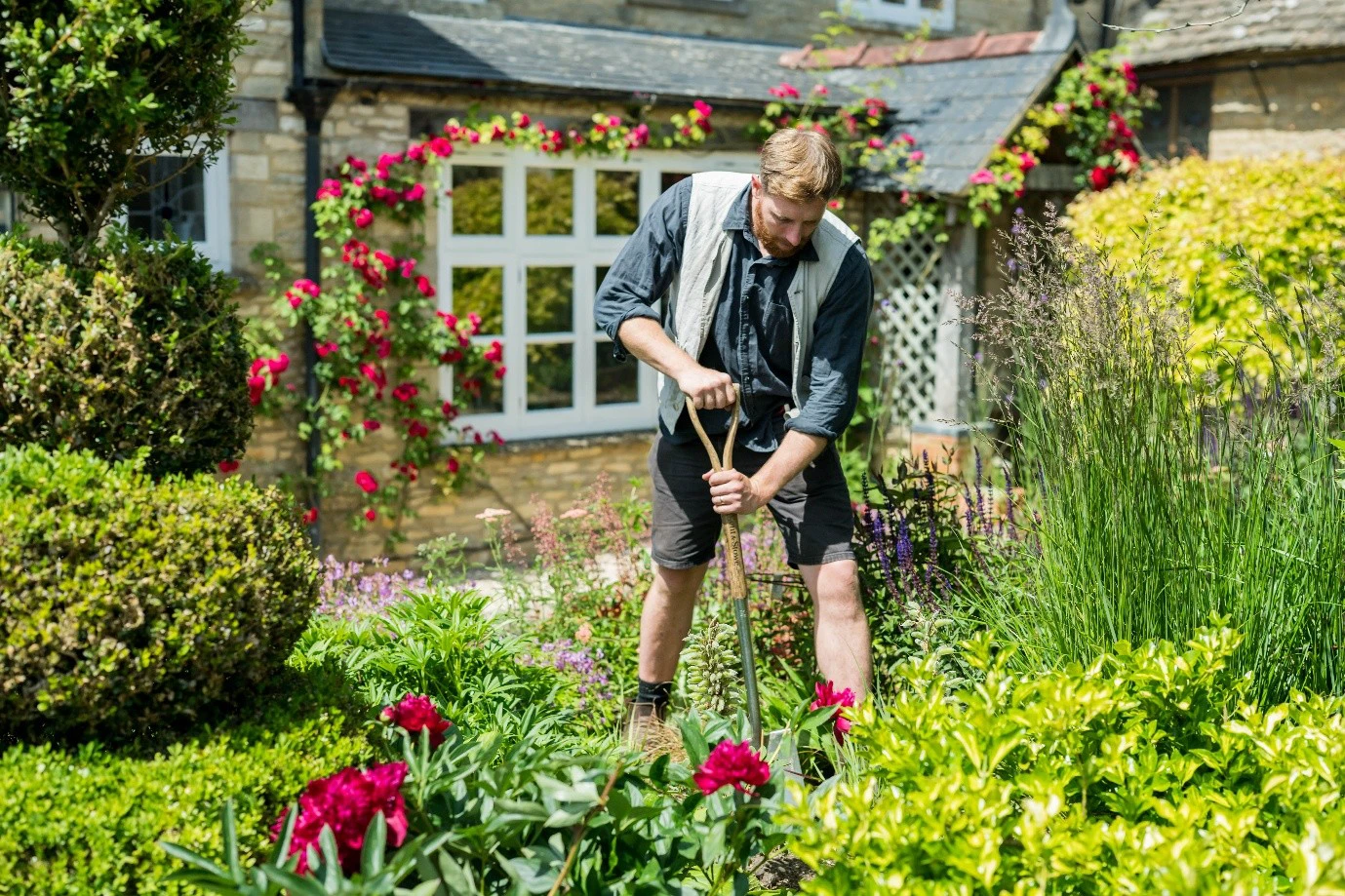
Long periods of hot, dry weather can leave even an established garden looking tired, scorched and lifeless. The good news is that most gardens are more resilient than they appear. With deeper watering, generous mulching and sensible priorities, you can protect the plants that matter most while using less water.
I have worked professionally in horticulture for more than a decade, and drought care has become an increasingly important part of garden maintenance. Our team now jokingly refers to one summer task as ‘de-crisping’: removing burnt growth and helping stressed plants recover. The name may raise a smile, but the work is very real.
This guide explains how to help your garden survive a drought, from watering at the right time to choosing plants and features that will make your outdoor space more resilient in future.
Mulch First to Keep Moisture in the Soil
If you are watering plants but leaving the soil around them bare, much of that effort can be lost to evaporation. A layer of mulch is one of the simplest and most effective ways to conserve moisture.
Apply approximately 5cm of compost, bark or leaf mould around established plants. Leave a small gap around stems and trunks to reduce the risk of rot. Mulch shields the soil from direct sunlight, slows evaporation, suppresses weeds and helps water remain available where roots need it.
Mulching also improves soil structure over time. This is especially valuable in gardens where dry ground becomes compacted and water runs across the surface instead of soaking in.
Water Deeply and Less Frequently
The most important drought-watering principle is simple: water deeply and less frequently.
A light sprinkle wets only the surface and encourages roots to stay near the top of the soil, which is the first area to dry out. A thorough soak allows water to travel deeper and encourages stronger root growth. Plants with deeper roots can reach moisture for longer and are generally better equipped to withstand heat.
Direct water towards the base of each plant rather than spraying leaves and surrounding paths. Newly planted trees, shrubs and perennials need particular attention because their root systems are not yet established.
What is the best time to water a garden during a drought?
Water early in the morning or later in the evening, when temperatures are lower and evaporation is reduced. Morning watering is often preferable because foliage has time to dry, but an evening soak is still far more effective than watering in the heat of the day.
Hot, dry winds can increase water loss and place plants under additional stress. On these days, check exposed containers and newly planted specimens, but continue to favour a thorough soak over repeated shallow watering.
Prioritise the Plants That Need Water Most
Not every part of a garden needs the same amount of water. During a drought, concentrate your time and resources where they will have the greatest long-term value.
- Newly planted trees, shrubs, hedges and perennials
- Plants in pots, hanging baskets and small containers
- Fruit and vegetable crops that are actively producing
- Valuable, rare or sentimental plants
- Anything showing severe or sustained signs of stress
Established plants are often tougher than they look. Many herbaceous perennials can be cut back if their foliage has become badly scorched. This reduces the amount of growth the plant must support and allows it to direct energy towards its roots.
Move Pots and Containers into Shade
Containers dry out quickly because they hold a limited volume of compost. If watering pots has become a constant job, move them into the shadiest suitable area and group them together. A less prominent position for a few weeks is better than losing the plants completely.
Prioritise long-term plants over short-lived seasonal displays. When planning future containers, combine bedding plants with drought-tolerant perennials and use the largest practical pots, as a greater volume of compost retains moisture for longer.
Let Established Lawns Go Dormant
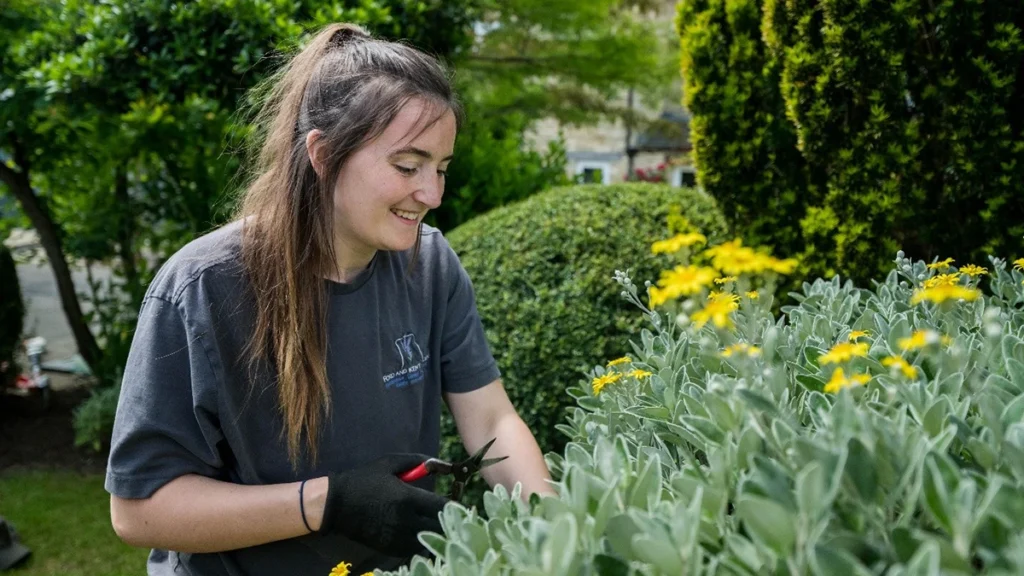
An established lawn will naturally turn brown and become dormant during prolonged dry weather. In most cases it will recover when rain returns. Unless turf has recently been laid or seed has only just germinated, using large quantities of drinking water to keep a lawn green is rarely necessary.
Avoid mowing too short during hot weather because longer grass shades the soil. Once cooler, wetter conditions return, aerate compacted areas, scarify if required, overseed bare patches and apply an appropriate top dressing.
Protect Young Trees and Avoid Heat-Stressed Hedge Cutting
Young trees deserve careful watering because they have not developed the deep root systems of mature specimens. Water slowly and thoroughly over the root area, then mulch around the base without piling material against the trunk.
Trees are one of the most valuable long-term investments in a drought-resilient garden. They provide shade, cool the surrounding area, support wildlife and make outdoor spaces more comfortable.
Avoid trimming formal hedges during extreme heat unless the work is essential. Fresh cuts and newly exposed growth can scorch, and stressed plants recover more slowly. Box hedging may already be under pressure from Box Tree Caterpillar or Box Blight, so delaying non-essential trimming can prevent further stress.
Do Not Overfeed Drought-Stressed Plants
When plants look tired, it can be tempting to apply fertiliser. However, a high-nitrogen feed encourages soft new growth that requires more water. Feeding will not compensate for dry roots.
Focus first on correct watering and mulching. If feeding is appropriate for the plant and season, choose a balanced or slow-release product and follow the instructions carefully. Never apply concentrated fertiliser to very dry soil.
Keep Fruit and Vegetables Productive
Edible crops need consistent moisture, particularly while flowering and producing fruit. Water the soil deeply, mulch around plants and work during the coolest part of the day.
Greenhouses need good ventilation in hot weather. Tomatoes and other container-grown crops may benefit from bottom watering, where pots stand briefly in shallow trays and draw moisture upwards. Avoid leaving plants permanently waterlogged.
Harvest beans, tomatoes and courgettes regularly. Removing mature produce encourages the plant to continue cropping and prevents energy being spent on oversized fruit.
How to Create a More Drought-Resilient Garden
Drought care should not only be about getting through the current dry spell. Thoughtful garden design can reduce water demand, protect plants and make maintenance easier for years to come.
Collect and Store Rainwater
If I could recommend one practical investment, it would be water storage. Install water butts on houses, garages, sheds, greenhouses and other suitable structures. Several smaller butts positioned around a large garden can be more convenient than one distant tank.
A mixture of covered storage and accessible collection points can work well. Larger systems may be connected to a suitable pump and hose, subject to the manufacturer’s guidance. Where space and budget allow, underground rainwater storage can provide a valuable reserve for prolonged dry periods.
Choose Plants for Future Conditions
Gardeners may need to reconsider both what they plant and how they plant it. Some traditional favourites struggle in exposed sites during long, hot summers, while plants suited to free-draining soil and lower rainfall can perform with less intervention.
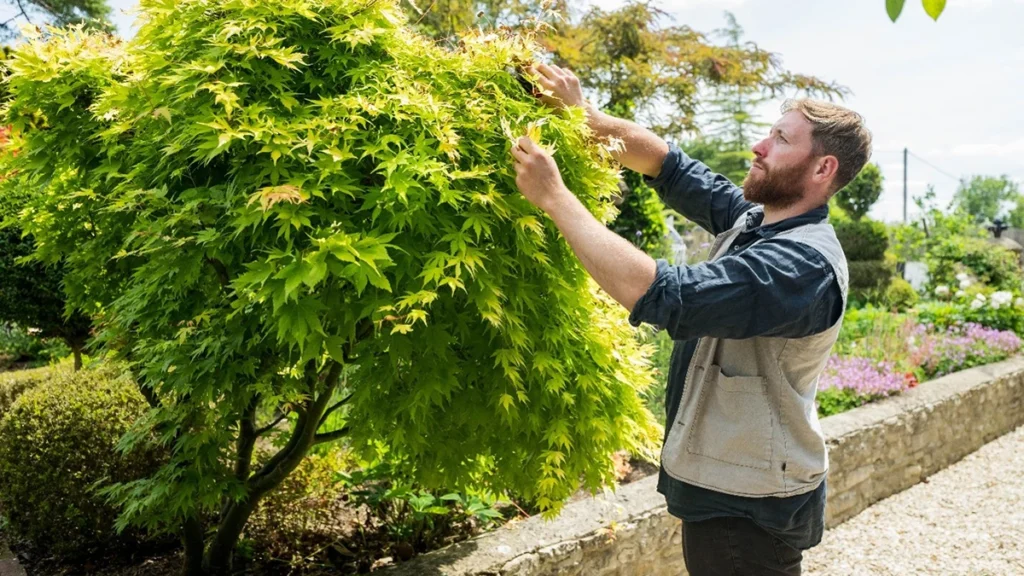
This does not mean replacing everything at once. Observe which plants recover well, identify the hottest and driest areas, then make gradual changes. The right plant in the right place will always require less support than a plant fighting unsuitable conditions.
Planting a well-chosen tree during autumn or winter can transform a garden over the following decade. As it matures, it can provide shade, support biodiversity and create a cooler place for people and plants.
Work With Nature
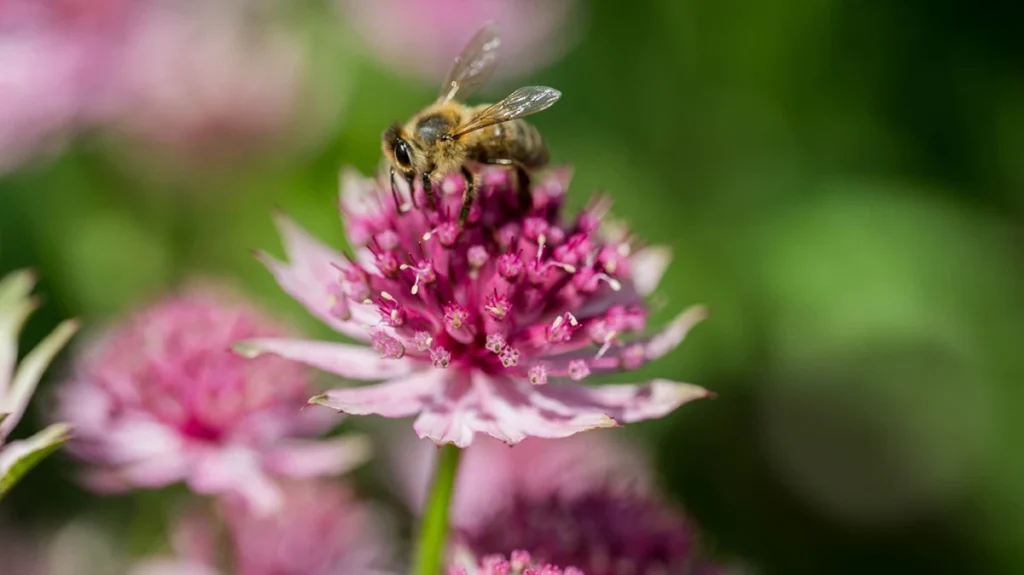
Naturalistic planting and carefully managed rewilding can teach us a great deal about resilience. Rewilding does not mean abandoning a garden. It means allowing natural processes to support the design rather than trying to control every corner.
A diverse border containing grasses, perennials and self-seeding plants can protect the soil, support pollinators and cope better with changing conditions. At Nant-y-Bedd Garden, I saw vegetables growing among annuals and flowering perennials, with insects moving throughout the planting. The garden felt relaxed and productive because the plants, soil and wildlife were working together.
Create Shade and Cooler Microclimates
Shade will become increasingly valuable during hotter summers. Trees are the best long-term solution, but large shrubs, carefully positioned hedges, pergolas and other structures can also protect vulnerable plants and create cooler places to sit.
When planning a garden, consider not only how it will look but how it will feel on a hot afternoon in five or ten years. A successful design should remain practical and enjoyable across changing seasons and weather conditions.
Do Not Give Up on a Drought-Stressed Garden
Plants are remarkably resilient. Some lose leaves, stop flowering or disappear below ground to protect themselves until conditions improve. A garden that looks exhausted at the end of a dry summer may recover strongly when rain and cooler temperatures return.
Gardening has always required patience, observation and a willingness to adapt. By watering deeply, mulching generously, making careful plant choices and planning for shade, you can help your garden survive a drought and become more resilient in future.
Frequently Asked Questions About Drought Garden Care
Should I water my garden every day during a drought?
Most established borders do not need daily watering. A thorough soak at longer intervals is usually more effective because it encourages deeper root growth. Containers, hanging baskets, newly planted specimens and productive crops may need more frequent checks. Always assess the soil rather than following a fixed routine.
How can I tell whether a plant needs water?
Check the soil below the surface with your finger or a small hand tool. Dryness at the very top does not always mean the root zone is dry. Wilting can indicate water stress, but it can also occur temporarily during the hottest part of the day. Check again in the cooler evening before assuming the plant needs more water.
Will a brown lawn recover after a drought?
A mature, healthy lawn will usually become dormant during dry weather and recover after sustained rain. Recently laid turf and newly seeded areas are more vulnerable and need careful watering. Avoid applying fertiliser to a dry, dormant lawn and wait for active growth before carrying out renovation work.
What are the best plants for a drought-resistant garden?
The best choice depends on the garden’s soil, aspect, exposure and available space. Plants with silver foliage, aromatic leaves, deep roots or origins in dry climates can be good options, but correct placement matters more than any single plant list. A professional garden consultation can help identify suitable plants for an Oxfordshire garden and create a balanced design rather than a collection of isolated drought-tolerant specimens.
Professional garden support in Oxfordshire
Need professional help with a drought-stressed or high-maintenance garden? Ford & Kent Gardens provides garden maintenance, garden design and specialist consultancy for private and business clients across Oxfordshire. Visit fordandkent.co.uk, call 01865 688324 or email hello@fordandkent.co.uk to discuss your garden.
About Dom Ford
Dom has worked professionally in horticulture for more than a decade, including time with the National Trust. He specialises in creating and maintaining practical, sustainable gardens designed to thrive throughout the seasons.
Photography: Pictures Inc