
When we think about reducing our environmental impact, most of us focus on recycling and cutting down on single-use plastics. But many everyday household items still carry a hidden cost for the planet — and it comes in the form of time. The time it takes for these items to biodegrade can stretch into centuries, quietly contributing to long-term waste problems even after they’ve left our homes.
Disposable Nappies
Used by millions of families daily, disposable nappies may be convenient, but they’re not so kind to the environment. Made with a combination of plastic, wood pulp, and super-absorbent polymers, they too can take up to 500 years to degrade. Thankfully, more eco-conscious brands now offer reusable nappies with washable liners and stylish outer pants that reduce landfill waste significantly.
Textiles
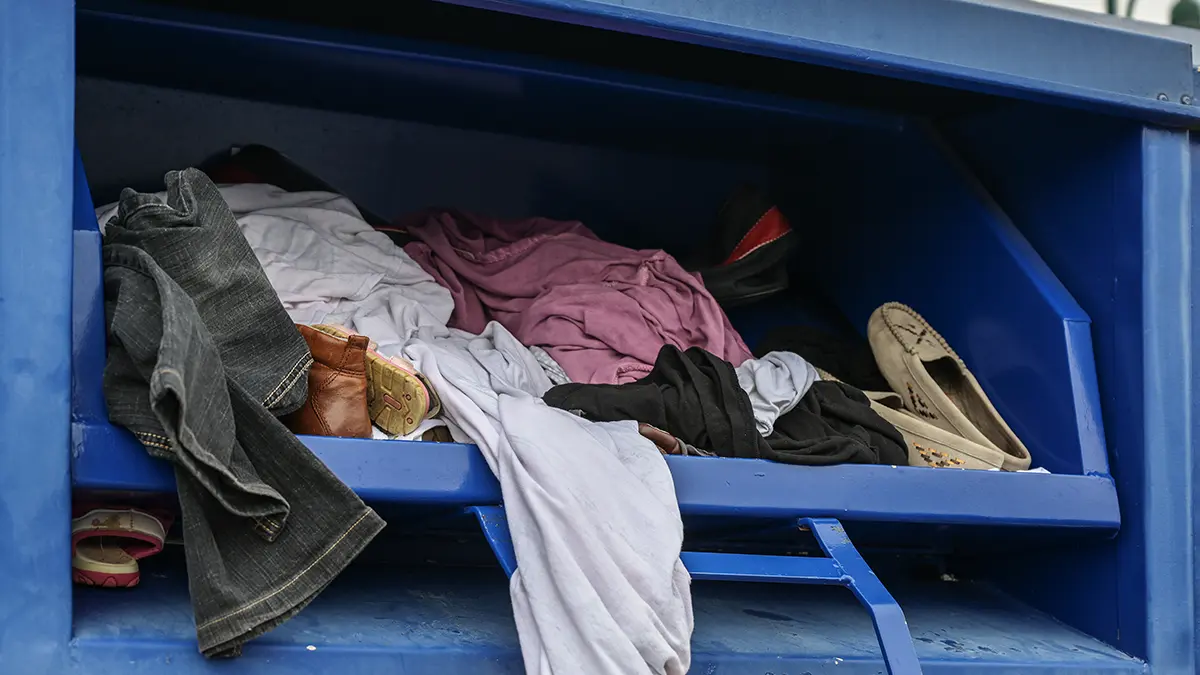
Clothing made from synthetic fibres like polyester can linger in landfills for hundreds of years. Even natural fibres like cotton and wool take time to decompose—especially when treated with dyes and chemicals. The rise of fast fashion has made textile waste a growing concern. Fortunately, brands are now producing clothing from recycled materials, giving plastic bottles and other waste a second life as sportswear and casual fashion.
Styrofoam
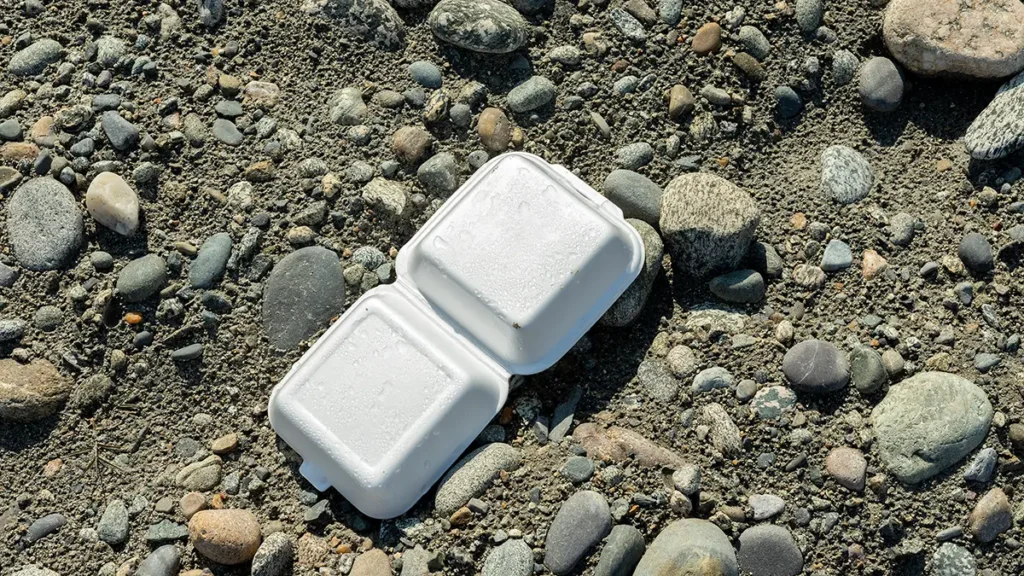
Styrofoam, also known as polystyrene foam, is a common culprit. Used widely in packaging and disposable food containers, it takes around 500 years to decompose. Its lightweight nature means it often escapes into the environment where it breaks down into small, non-biodegradable fragments that are hard to clean up. Many regions have introduced bans or restrictions on Styrofoam, leading to more sustainable alternatives like paper or cardboard.
Cans and Bottles
Aluminium cans are highly recyclable but still take 80 to 200 years to break down if not properly disposed of. Glass bottles, on the other hand, can be recycled endlessly without loss of quality. But when they’re tossed in general waste instead of the recycling bin, they too contribute to environmental degradation. Make sure your next vino bottle gets the recycling treatment it deserves.
Want more insights like this? Get eco tips, local updates, and practical guides straight to your inbox by signing up to the Read This newsletter: Here
Being aware of the biodegradability of household items is the first step toward more responsible living. By making informed choices—whether it’s skipping the Styrofoam, choosing reusable nappies, or supporting recycled fashion—we can all reduce our environmental impact. And when it comes to cans and bottles, a little recycling effort goes a long way. Small actions do add up, especially when we act with the future in mind.
FAQs
- How long do everyday household items take to decompose?
Items like Styrofoam and disposable nappies can take up to 500 years, while aluminium cans take 80–200 years.
- Are there eco-friendly alternatives to disposable nappies?
Yes. Reusable nappies with washable liners are becoming more common and are just as effective.
- Can all plastics be recycled?
Not all plastics are recyclable. It depends on local recycling rules and the type of plastic.
- Why is textile waste a problem?
Many textiles are made from synthetic fibres which don’t decompose easily. Fast fashion accelerates the issue.