

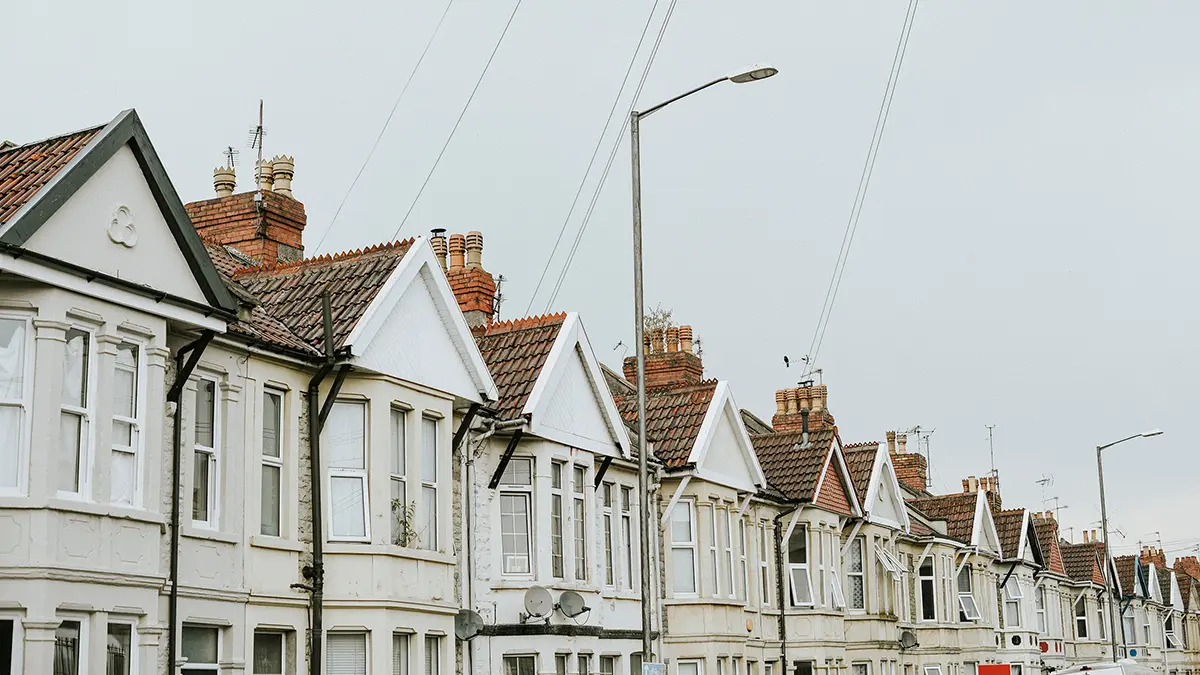
Over a quarter of us live in Victorian properties and have to be creative in finding ways to save on energy bills. While architecturally significant and aesthetically pleasing, they can often present challenges when it comes to energy efficiency. Here are some energy efficiency tips to help you ensure your cherished century-old home can take a modern approach to helping preserve the planet.
The Victorian era brought with it a massive migration from the countryside to cities and towns, leaving us today with architecture that often challenging when it comes to energy saving. Communities sprung up, industry thrived and the impeccable construction methods of a confident, commandeering generation meant a century on, so many of these properties still remain, needing creative ways to save energy.
Yet data from the Office of National Statistics (ONS) highlights an ongoing issue with these exemplars of style and grace – namely the correlation between the age of the house and its dwindling energy efficiency rating.
The data indicates that Victorian homes in England and Wales average an energy efficiency score of 59 and 57 respectively, landing them in the D band. In stark contrast to older buildings, properties constructed after 2012 boast an average Energy Saving Trust score of 83, placing them in band B.
Despite starting with a considerable energy rating disadvantage, it doesn’t mean these Victorian gems can’t be made more energy efficient – simple actions like installing smart meters or using the thermostat more efficiently can help significantly. Indeed, with the right retrofitting and sensible renovations – as well as some simple, non-structural alterations – it’s possible to preserve and enhance those homes while decreasing environmental impact.
Design, location and leases
Type of housing, ground structure and subsoil quality can all play a big part in determining a home’s energy efficiency; while listed status or lease restrictions further complicate any intended upgrading process.
A common feature in Victorian homes is single-glazed sash windows. Single glazed windows in many Victorian homes aren’t efficient in retaining heat and upgrading to their double or triple-glazed equivalent could save a lot on your energy bill can be a costly affair.
The good news is most ‘like for like’ window and door replacements do not require planning permission, unless your home is in an area where your permitted development rights are restricted.
Cavity walls
Cavity walls, or the lack thereof, pose a major Retrofitting cavity wall insulation in a Victorian property can actually bring about issues relating to dampness, rather than solving them.
Simple solutions
While many believe the only way to reinforce their Victorian homes is through structural changes, energy efficiency can be boosted by investing in some simple fixes to problem areas:
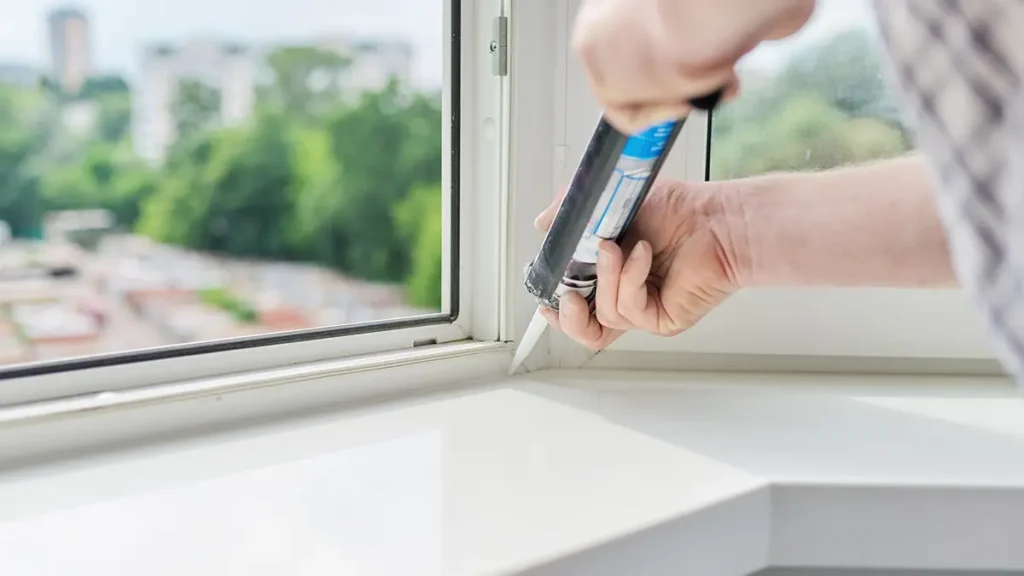
Draught-proofing
Heat escaping from around windows and doors is not exclusive to Victorian homes, but it is the second biggest cause of heat loss in a home and can Checking for and sealing gaps is quick and easy, while even ‘old-school’ draught excluders along the bottoms of doors will have a significant positive effect.
Gaps in floorboards
The charm of a floorboarded house is lost somewhat when considering that the gaps between the wood can cost you up to £50 per room per year in lost heat – Filling in gaps is a morning’s work and will last for years.
Roofline
Because heat rises, if there’s a route to escape, it will be found in your roof, causing your thermostat to use more energy than necessary. Cracks and splits, loss of paint and, in a loft, missing tiles, are signs that what’s meant to stay inside is escaping out! Most of the energy saving issues these old homes present can be mended without the help of a professional.
Balance
Balancing historical preservation with modern energy efficiency tips is a delicate task, but it becomes easier with the help of less energy consuming appliances. Yet with the rapid advancement of green technology and innovative solutions, homeowners can refresh and protect the architectural significance of a plot. The journey of making your home more energy efficient might require patience, resources and creativity, but the reward is a timeless home that resonates with the past whilst embracing the future’s energy standards.