

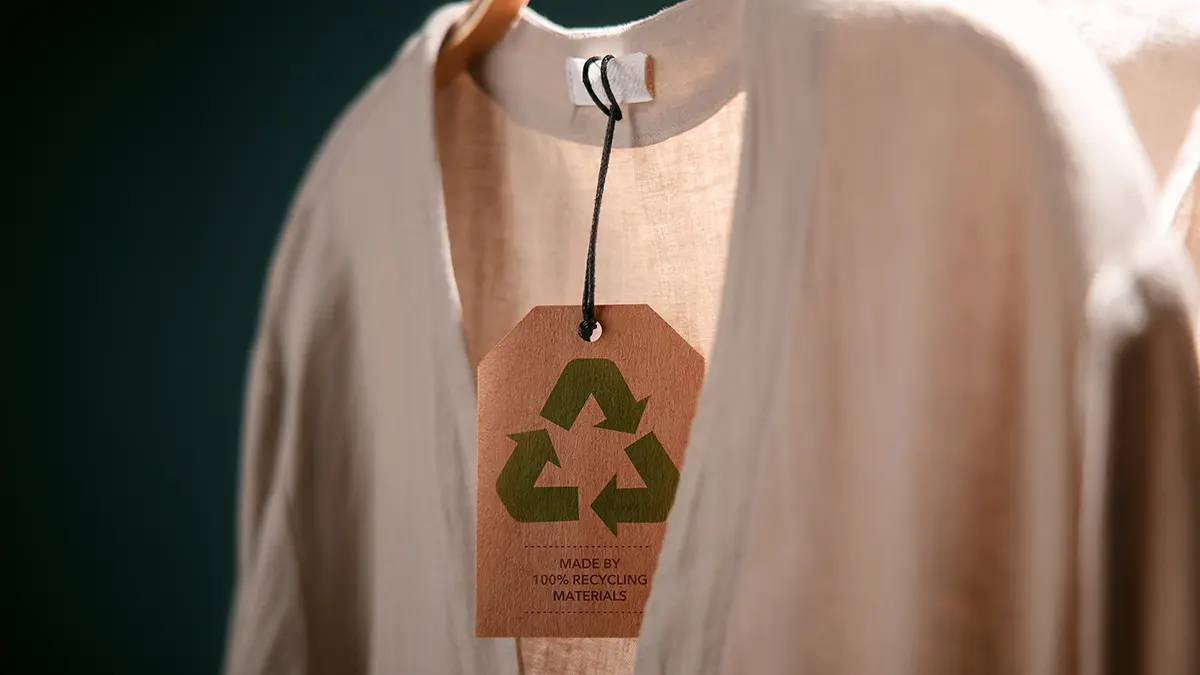
Think you’re a savvy eco-consumer? Think again… The Great Greenwashing Scandal
Those of us who remember a time when recycling bins didn’t stand like planet-saving sentinels outside every home in Britain, will also recall that phrases such as ‘eco-friendly’, ‘sustainable’ and ‘clean’ were not words used in the lexicon of brand advertising.
These days however, you can almost guarantee such phrases will be plastered across almost every purchase you make. Why? Because brands know that many consumers are now conscientious of their personal environmental impact, and realise the products they purchase can make a difference when it comes to protecting the planet.
As the saying goes: you vote with your pound, and even those who feel frustrated with government environmental policy can take comfort in promoting sustainability by investing in brands that do take steps to lessen their ecological impact.
The Reality Behind Eco-Labels
But how many of these brands actually take the labels they use seriously, and how many are just paying lip service to the sustainable savvy among us?
This surge in corporate climate claims is muddying the waters for customers who can no longer distinguish between earnest environmental practices and deceptive declarations. This practice is known as ‘greenwashing’.
The Challenge of Defining Sustainability
Online marketing is a particularly fecund arena for claims that are often exaggerated, false, or sometimes potentially illegal. The reason this is possible is because ‘greenwashing’ takes advantage of a somewhat grey area. It is very easy to boast of ‘sustainability’ but there is no concrete definition of what this word means. In other words, claiming something is ‘made in the UK’ or is ‘100% cotton’ can be proved or disproved, but how can you prove something you cannot define?
Greenwashing in the Fashion Industry
On the subject of cotton, the fashion industry is also prone to greenwashing. ‘Natural’, ‘recyclable’, ‘recycled or ‘organic’ are handy buzzwords that clothing brands use to highlight the sustainability of the materials in their items, but ones that ultimately could be misleading.
For example, ‘organic’ and ‘environmentally friendly’ are not interchangeable terms. Just because organic cotton doesn’t use pesticides when grown doesn’t change the fact that it is highly water intensive. It takes roughly 1kg of conventional cotton lint to make one pair of jeans, but this requires around 8,500 litres (1,870 gallons) of water, on average.
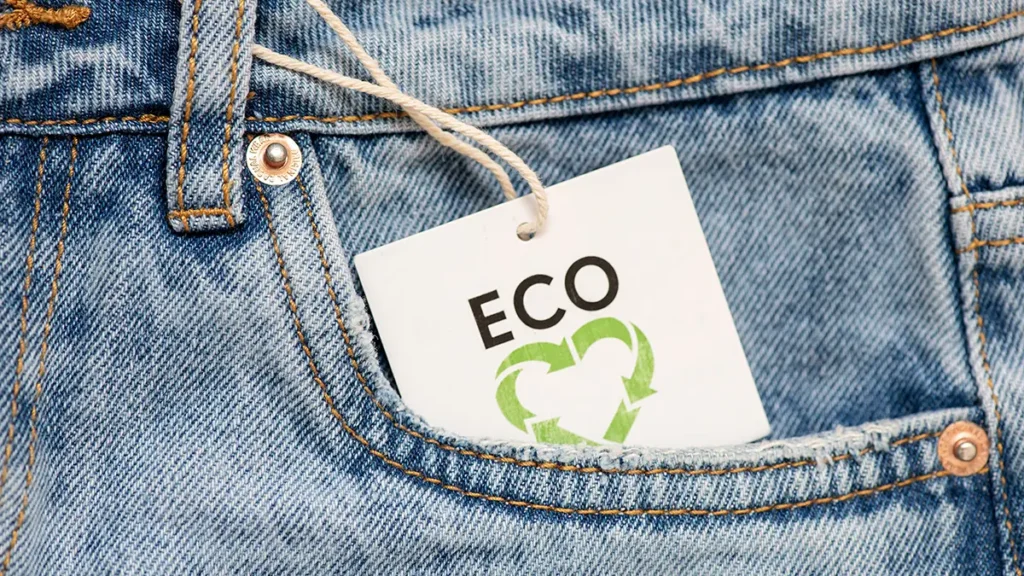
The Environmental Impact of Recycled Polyester
Recycled polyester doesn’t get corporations off the hook either because it still sheds microfibres. It is estimated that textiles produce 35% of the microplastics entering the world’s oceans – in the form of synthetic microfibres – and just one wash cycle could potentially release around 700,000 microfibres into wastewater.
The trouble is, brands have tapped into an unfortunate truth. Many of us, whether consciously or not, have become acutely aware of the impact consumerism is having on our planet and the environment. This can lead to a feeling of guilt and, much like the cotton tote company who plant a tree for every bag sold – ‘buy one, plant one’ – these unsubstantiated claims allow for magical thinking that lets us believe our choices are moving the dial and pushing these industries into the right direction.
How to Avoid Greenwashing
Fortunately, we can still make better choices as consumers. We just need to be aware of greenwashing and take measures to avoid it.
Firstly, don’t take their word for it. If a product truly is ‘eco-friendly’, ‘all-natural’, or ‘biodegradable’, then the manufacturer should be able to prove this with hard facts and figures.
Secondly, be wary of green certification logos. Instead, look for objective third-party certifications from reputable organisations such as the B Corp Certification, Fairtrade Certification, and the Forest Stewardship Council’s FSC Certification.
Next, when choosing products, look at the bigger picture. Just because something has a low environmental impact in manufacturing, doesn’t mean it is recyclable or compostable. The entire product lifecycle must be considered.
The Power of Informed Choices
Finally, know that your choices do make an impact and a little research into a brand can go a long way towards the overall goal. After all, if companies didn’t believe consumers had the power to create change, greenwashing would not be an effective strategy in the first place.