
The internet is overflowing with tips, tricks, and hacks for just about everything—but not all of them stand up to scrutiny. In the world of gardening, however, some of the strangest suggestions are actually surprisingly effective. Whether you’re working with a sprawling garden or just a few pots on the balcony, a little creative thinking (and some household leftovers) can go a long way. These gardening hacks might sound odd at first, but they’re backed by enthusiasts and experts alike—and they just might change the way you garden forever.
Your local inbox update.
Sign up for our free monthly newsletter – packed with news, offers, events, and hidden gems.
Coffee Grounds
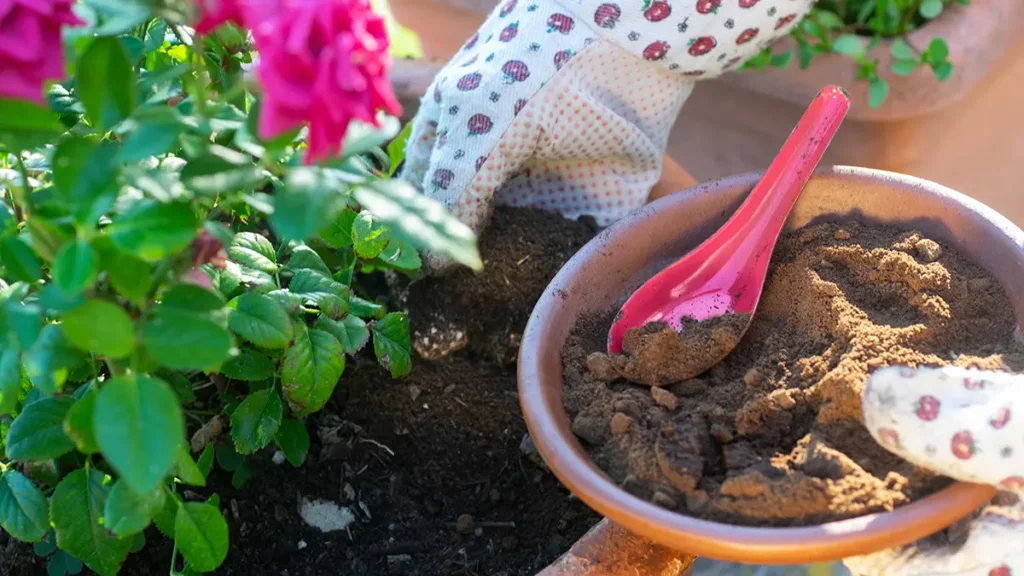
Don’t toss out your used coffee grounds just yet. They’re rich in nitrogen, a key nutrient plants need for leafy growth. Adding coffee grounds to your soil or compost heap can improve the soil structure, boost beneficial microorganisms, and deter certain pests like slugs and ants. Just be careful not to overdo it—too much can acidify the soil. Try mixing them with other organic matter for a balanced homemade fertiliser.
Banana Peels
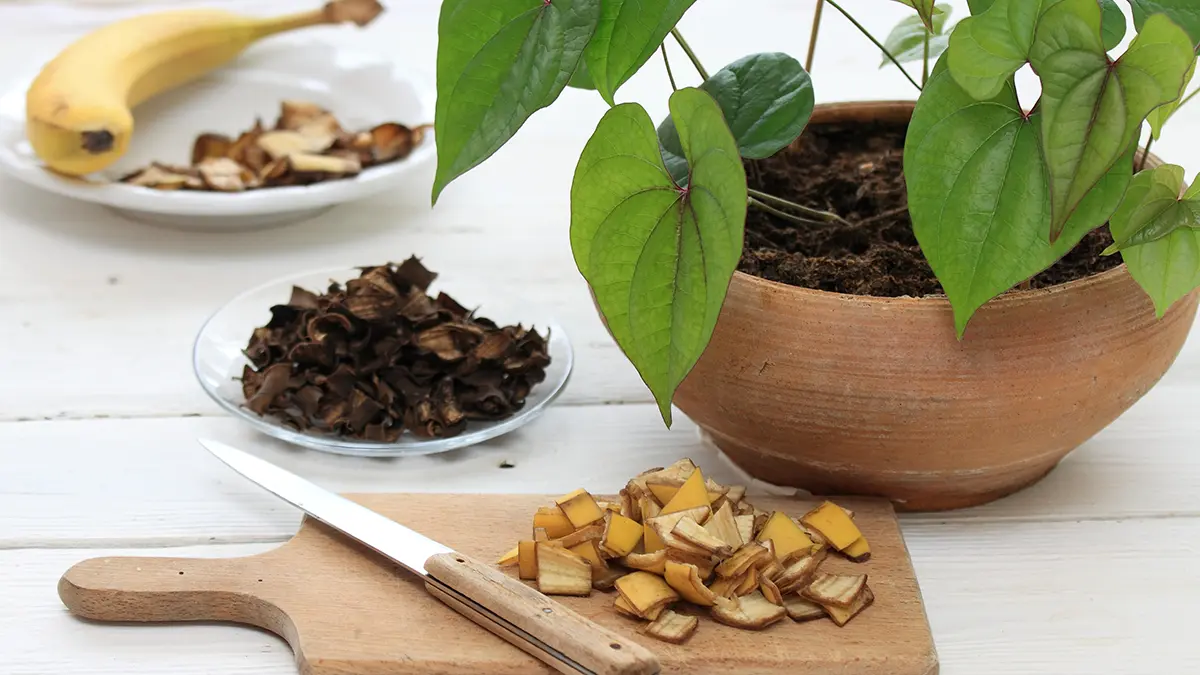
Banana peels gardening hacks are a goldmine of potassium and phosphorus—two essential nutrients for flower and fruit development. Instead of throwing them away, bury peels near your plants, especially flowering ones like roses. As they decompose, they’ll enrich the soil and promote stronger blooms. You can also blend peels with water to make a nutrient-rich smoothie for your plants—no fancy equipment required.
Eggshells
Crushed eggshells offer a double benefit: they act as a natural pest deterrent and a source of calcium. Scatter the broken shells around your plants to create a jagged barrier that slugs and snails won’t want to cross. Over time, the shells will break down and improve soil structure while delivering slow-release calcium to support healthy root and leaf development.
Fish Poop
If you keep fish, your aquarium water is liquid gold for your garden. During water changes, save the old water and use it to feed your plants. It’s packed with nitrogen, phosphorus, and other nutrients from fish waste. This method, often called ‘aquaponic gardening’, mimics natural ecosystems and helps reduce water waste. Just be sure the water doesn’t contain any chemical treatments before applying it to your garden.
Milk
It may sound strange, but milk has antifungal properties that can help combat powdery mildew—a common plant fungus that leaves a white powder on leaves. Mix one part milk with two parts water and spray directly onto the affected leaves every week. This DIY treatment works best when used early and consistently. As a bonus, milk also adds calcium to the soil and acts as a mild fertiliser.
Nappies
Yes, nappies! Clean, unused ones can be placed at the bottom of plant pots to help with water retention. The absorbent polymer crystals inside trap moisture and slowly release it back into the soil, which is especially handy during dry spells or for thirsty plants like tomatoes. For a more eco-friendly approach, look for biodegradable nappies or use the same concept with reusable water-retention beads.
Tin Foil
Lack of sunlight can be a major challenge for indoor or windowsill gardeners. A simple solution? Tin foil. Line the inside of a cardboard box or pot surround with tin foil to reflect light back onto your plants. This boosts photosynthesis, helping plants grow more evenly and reducing leggy, light-starved stems. It’s a low-cost trick often used in DIY greenhouses.
Human Hair
Collected from hairbrushes or salons, human hair can be used as a natural deterrent for grazing animals like deer and rabbits. The scent suggests the presence of humans, which keeps wildlife at a respectful distance. Hair also contains nitrogen, so it will break down over time and feed your soil. Scatter it around the perimeter of your garden or near vulnerable plants.
Cinnamon
Cinnamon isn’t just for your cappuccino—it’s a powerful natural antifungal agent that helps prevent damping-off disease in seedlings and brilliant for gardening hacks. This common issue causes young plants to wilt and die suddenly. Sprinkle cinnamon over your seed-starting mix to ward off fungi. It’s a gentle, non-toxic way to protect delicate new growth and increase your chances of seedling survival.
Citrus Peels
Citrus peels—like orange, lemon, or grapefruit rinds—make fantastic biodegradable seed pots. Fill the empty peel with a bit of soil and your seed of choice, and keep it in a sunny window. When it’s time to transplant, simply plant the whole thing. The peel will naturally break down and add nutrients to the soil as your seedling establishes itself.
Gardening is often seen as a hobby that requires lots of gear and expensive treatments—but nature offers many of the tools you need, often disguised as household waste. By adopting these unconventional yet highly practical **gardening hacks**, you’ll not only reduce your environmental footprint but also enhance the health and productivity of your garden. Give these ideas a go, and you may be surprised at just how effective they are. Whether you’re composting coffee or planting in peels, a little creativity goes a long way in the garden.
FAQs About Gardening Hacks
Can I use coffee grounds on all plants?
Not all plants enjoy acidic soil. Coffee grounds work well for acid-loving plants like azaleas, blueberries, and tomatoes, but may not suit herbs or succulents.
How often should I use milk spray for mildew?
Once a week is usually sufficient, but always apply it early in the day to allow the mixture to dry and avoid fungal growth.
Is using human hair safe for vegetable gardens?
Yes, as long as it’s clean and free from hair products. It can enrich the soil over time and acts as a deterrent for some pests.
Do I need to compost banana peels before burying them?
No need to compost first—simply cut them into smaller pieces and bury them near plant roots to aid decomposition and nutrient release.
Will cinnamon stop all plant diseases?
No, but it’s particularly effective against fungal issues like damping-off in seedlings. It won’t cure all problems but is a helpful preventative tool.