
As Marvel Studios prepares to reshape its cinematic universe with a much-anticipated “soft reboot” following Avengers: Secret Wars, questions loom large about the future of its core heroes. And none more so than Sam Wilson’s Captain America. With Brave New World marking a grounded, emotionally charged chapter in an increasingly multiversal franchise, the film arrives at a crossroads: a symbol of legacy in a universe ready to reinvent itself.
As Kevin Feige hints at recasting iconic roles and ushering in the X-Men and Fantastic Four, the MCU’s next era begins, but not with a bang, with a baton pass instead. Can Sam Wilson remain Marvel’s moral compass in a universe spinning toward cosmic scale and narrative reset?
Carl Lumbly: “A Marvel Movie That Encourages You to Stand Up for What You Believe In”

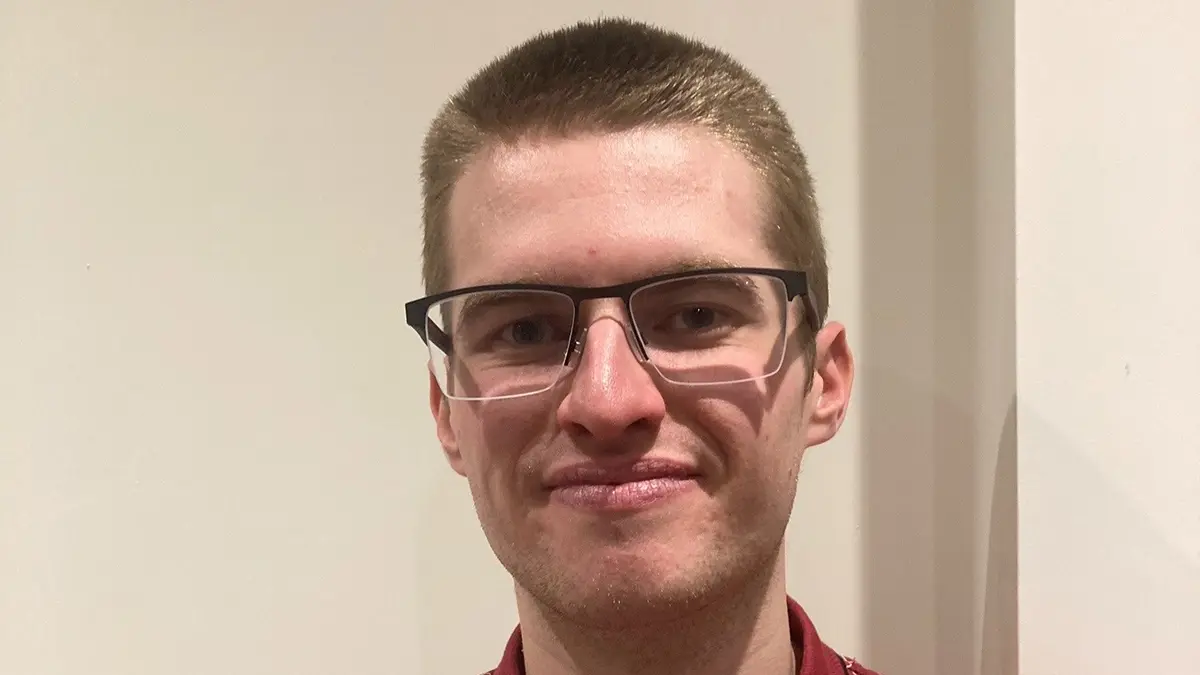
In a new Why to Watch feature on JustWatch, actor Carl Lumbly reflects on the enduring message at the heart of Captain America: Brave New World (2025), which premiered on Disney+ on May 28th. Returning as Isaiah Bradley, the first Black super soldier in Marvel’s fictional world, Lumbly describes the film as more than just another entry in the superhero genre. It’s a timely call to courage.
“We live in a world that calls us to be brave every single day… and you have the choice to stand up or walk away. Captain America: Brave New World is a movie that encourages you to stand up wherever you are. While its story may be larger than life, it’s a deeply human tale that makes us ask questions about ourselves.”
Find the why-to-watch quote and more about the film here.
The fourth instalment in the Captain America franchise, Brave New World, hands the shield to Anthony Mackie’s Sam Wilson, expanding Marvel’s exploration of legacy, identity, and leadership. Lumbly’s Isaiah Bradley, a character introduced in The Falcon and the Winter Soldier, brings generational context and emotional gravity to the film, as the MCU continues to honour untold histories.
But Brave New World arrives at a pivotal moment for the Marvel Cinematic Universe, a moment of transformation.
A Soft Reboot: Marvel’s Strategic Reset

Marvel Studios President Kevin Feige has recently confirmed that Avengers: Secret Wars (slated for December 2027) will mark a “soft reboot” of the MCU. Not a full erasure of the past, but a narrative reset. It’s a chance to streamline decades of storytelling and realign its sprawling multiverse into a more focused, forward-facing franchise.
Speaking about the future of the MCU during the press event for The Fantastic Four: First Steps (the movie kicking off Phase 6 as of its release on July 25) Feige said, “We’re utilising [Secret Wars] not just to round out the stories we’ve been telling post-Endgame, just as importantly – and you can look at the Secret Wars comics for where that takes you – it very, very much sets us up for the future.” He added that while Avengers: Endgame was about endings, Secret Wars is about new beginnings.
Feige was careful about using the word “reboot,” calling it “a scary word” that can mean different things to different people. But he did explain that they are thinking in terms of a reset or a single timeline moving forward.
He also confirmed that the upcoming X-Men movie will be directed by Jake Schreier, who previously directed Marvel’s Thunderbolts* (released in May), and that it will be the place where this new era really starts. The MCU will introduce new versions of classic mutants like Professor X, Magneto, Cyclops, and others, saying goodbye to the versions from the old Fox movies through Avengers: Doomsday and Secret Wars, hence why several actors from Patrick Stewart to James Marsden are set to return.

The MCU boss even hinted that other big characters might be recast after Secret Wars, comparing these roles to icons like James Bond or Superman, who have had multiple actors over the years. But he admitted it’s never easy to replace an actor who’s done a great job. “How are they going to ever replace Sean Connery [as James Bond], right?” he said.
This radical shift is already being seeded in Brave New World. The film continues the Captain America saga and foreshadows the philosophical questions the MCU will now confront: Who inherits the mantle of heroism? And how do these symbols evolve when the world around them resets?
Sam Wilson’s Uncertain Future—and Unshakable Relevance
As Marvel resets, a central question lingers: Where does Sam Wilson’s Captain America fit in a world that’s moving toward mutants and multiversal madness?
The answer may lie in Brave New World itself. Unlike many of Marvel’s recent entries, the film leans into grounded themes: systemic injustice, civic duty, and moral clarity. Sam Wilson isn’t a god, a genius, or a genetically enhanced weapon. He’s a man with principles – with a jetpack. And now he carries the shield that symbolises America.
Rather than being overshadowed by cosmic storylines, Wilson’s version of Cap could serve as the MCU’s moral compass, a counterweight to the fantastical chaos of upcoming reboots and new franchises. His leadership style, shaped by empathy and lived experience, could prove vital in the next era of Marvel storytelling.
And with Isaiah Bradley’s story providing an emotional throughline that connects the past to the present, Brave New World ensures that Sam’s Captain America isn’t just a symbol: he’s a necessary voice.
Conclusion: A Bridge, Not a Bookend
Captain America: Brave New World isn’t just a standalone superhero movie; it’s a bridge between Marvel’s rich history and its uncertain future. Carl Lumbly’s heartfelt reflections, paired with Anthony Mackie’s grounded portrayal, remind us that bravery comes not from superpowers but from purpose.
As the MCU prepares to reintroduce icons like Wolverine and Reed Richards, and eventually reshape its foundational heroes, Brave New World makes a compelling case: Sam Wilson’s story isn’t finished, it’s just beginning.