

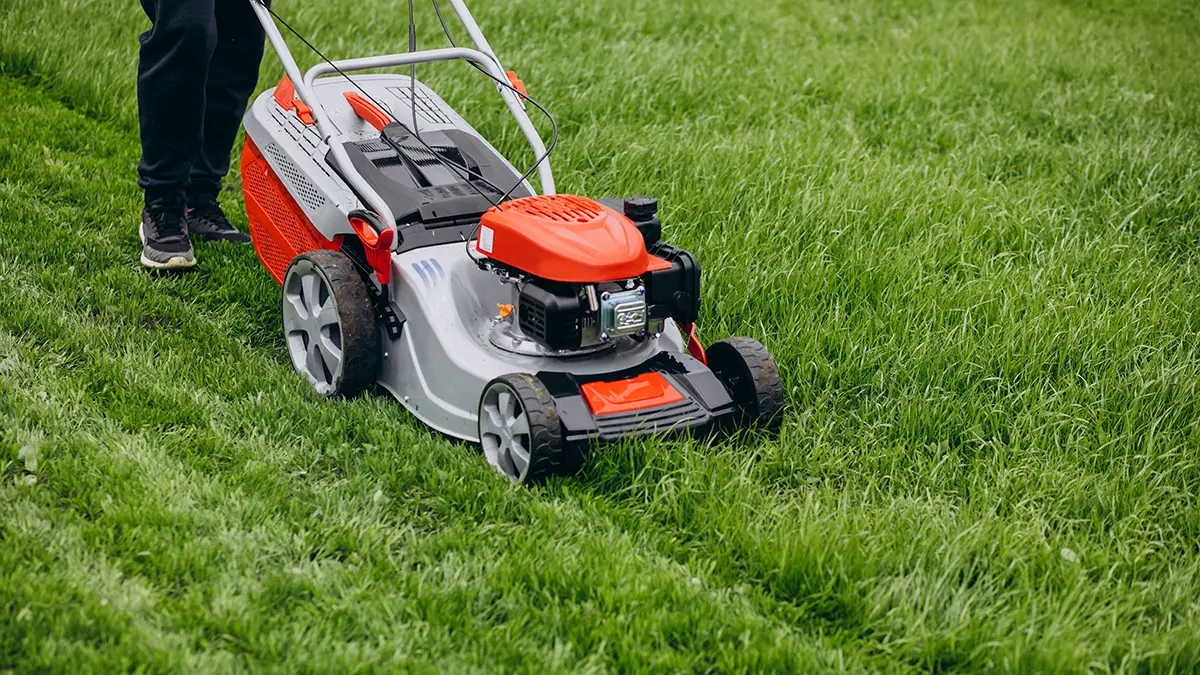
Finding the best time to mow your lawn isn’t simply about keeping grass short. It’s about working with the seasons, respecting the weather, and understanding how timing can affect growth and lawn health. A well-timed mow encourages lush growth, discourages weeds, and helps your outdoor space look its best. Whether you’re a weekend gardener or someone determined to achieve Wimbledon-worthy stripes, this guide explains when and how to mow for the healthiest results.
Why Timing Really Matters
Mowing is more than a cosmetic task. The rhythm of cutting has a direct impact on how your lawn develops. Frequent, well-timed mowing creates a denser turf that can outcompete weeds. It also keeps grass healthier, less prone to disease, and far easier to maintain. Neglect the timing and you risk grass that grows tall and unruly, leaving you constantly playing catch-up.
Mowing Through the Seasons
Spring
Spring is the true beginning of the mowing year. As days lengthen and soil warms, grass begins to grow steadily again. The first cut usually arrives around mid-March, once frosts are past and soil temperatures reach around six degrees Celsius. The aim in early spring is to take a gentle approach—set your mower blades higher than usual to avoid stressing the grass. As April and May progress, growth becomes stronger, and mowing once a week encourages a healthy sward that suppresses weeds.
Summer
By summer, grass reaches peak growth and the lawn demands more attention. Weekly mowing is often necessary and sometimes even twice a week during rapid growth. However, timing is crucial. Mowing in the heat of the day places stress on the grass, and even the most enthusiastic gardener will find pushing a mower under the midday sun a punishing task. Early mornings once the dew has dried or late afternoons are the ideal windows. During prolonged dry spells or heatwaves, it is better to raise the mowing height or even pause mowing altogether, since cutting stressed grass can cause lasting damage.
Autumn
As summer fades, grass slows down. By September and October, mowing every two weeks is usually enough. This is also the time to think ahead to winter. Leaving the grass slightly longer offers extra protection from frost and helps maintain root strength. The final mow usually comes in November, with blades set higher to give your lawn a little extra cover. Timing your last cut well is important—cut too short and frost may scorch the lawn, cut too late and wet, cold conditions could leave it vulnerable to disease.
Winter
In the heart of winter, mowing is usually unnecessary. Grass growth slows almost to a standstill once temperatures fall below six degrees Celsius. That said, in mild spells you may notice patches growing unevenly. A light trim can tidy things up, but only if conditions allow. Never mow when the ground is frozen, wet, or soft, as this risks compaction and long-term damage.
The Best Time of Day to Mow
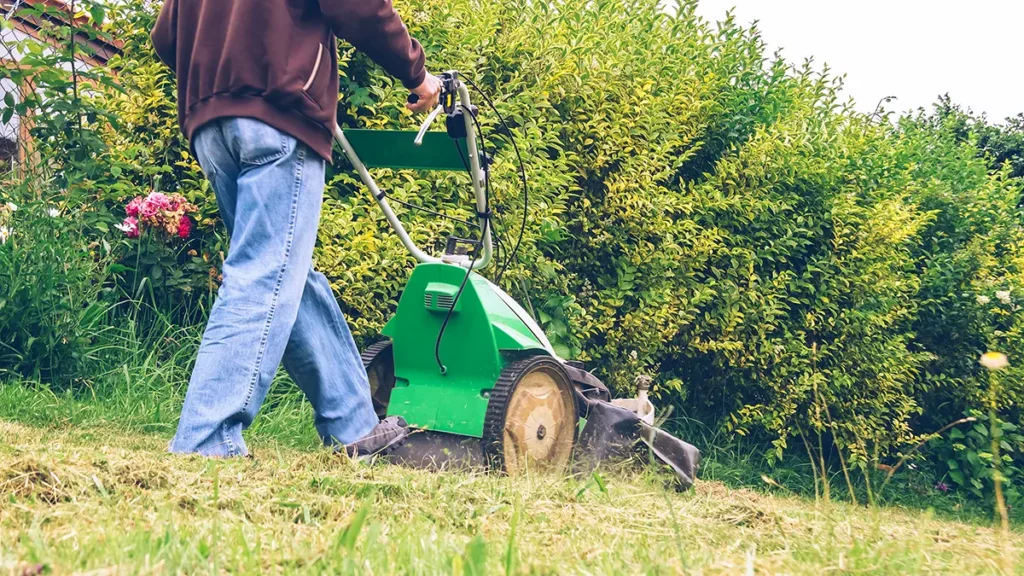
When to mow is not only a matter of month but also of time of day. Grass benefits most when cut mid-morning or late afternoon. By 8 to 10 am, dew has lifted and the grass is dry enough for a clean cut, while temperatures are still cool enough to reduce stress. A second window between 4 and 6 pm is equally effective, giving the lawn chance to recover before nightfall.
Mowing at the wrong time has consequences. Early morning dew leads to clumping and untidy cuts. Midday heat stresses the grass and the gardener alike. Evening mowing seems convenient but can leave grass damp overnight, increasing the risk of fungal disease. The sweet spot remains that combination of dry grass, mild temperatures and enough recovery time before darkness.
The One-Third Rule
No matter the season or time of day, the golden rule of lawn care never changes: never remove more than one third of the blade’s height in a single cut. Cutting too much at once shocks the plant, weakens root development and invites weeds to take hold. Frequent, lighter mowing produces stronger, healthier turf. It also creates that satisfying finish of a uniform, green carpet.
Looking After Your Mower
The quality of your cut depends on the condition of your mower. Sharp blades slice grass cleanly, encouraging regrowth. Blunt blades tear at the grass, leaving ragged edges that brown quickly and become more prone to disease. Regular maintenance makes mowing easier and improves the overall look of your lawn. Cleaning the underside of the mower, checking blades, and servicing the engine or battery also extend the life of the machine itself.
The Human Side of Lawn Care
Consistency is as important for the gardener as it is for the lawn. Anyone who has left mowing for a fortnight during the height of summer knows the effort doubles once the mower struggles through thick, overgrown grass. What might take half an hour each week becomes a two-hour ordeal if left too long. Staying on top of the schedule isn’t just about grass health—it’s about saving time and effort too.
Expert Touches for a Perfect Lawn
Professional gardeners often share two key principles. First, water smartly, ideally in the early morning, and avoid leaving grass wet overnight to reduce disease. Second, use mulch mowing occasionally, leaving clippings on the lawn to return nutrients and conserve moisture. These small touches elevate an ordinary lawn into something that looks cared for and inviting, without the need for chemicals or endless fertiliser.
Stay in the Mow
If you enjoy practical gardening advice and want seasonal reminders, tips, and exclusive local offers, sign up for the Read This newsletter. It’s the easiest way to keep your garden looking its best all year round. Sign up here.
Frequently Asked Questions
What is the best time to mow your lawn?
The ideal times are mid-morning or late afternoon when the grass is dry, temperatures are mild, and your lawn has time to recover before nightfall.
How often should you mow your lawn?
Weekly mowing is usually enough in spring and summer. In autumn it can drop to every two weeks, and in winter only occasionally during mild spells.
What is the one-third rule?
Never cut more than a third of the grass blade in a single mow. This keeps the lawn healthy, reduces stress and promotes deep roots.
Can you mow in hot weather?
Avoid mowing during heatwaves or when the ground is dry and stressed. If you must mow, raise the blade height and cut only in the cooler parts of the day.
Is it acceptable to mow early or late?
There is no strict law, but general etiquette suggests mowing between 8 am and 8 pm. On weekends, particularly Sundays, starting after 10 am is seen as courteous.
A beautiful lawn is built on consistency, timing, and just a little bit of know-how. Master the rhythm of the seasons, choose the right time of day, and follow the one-third rule, and you’ll always know the best time to mow your lawn.