

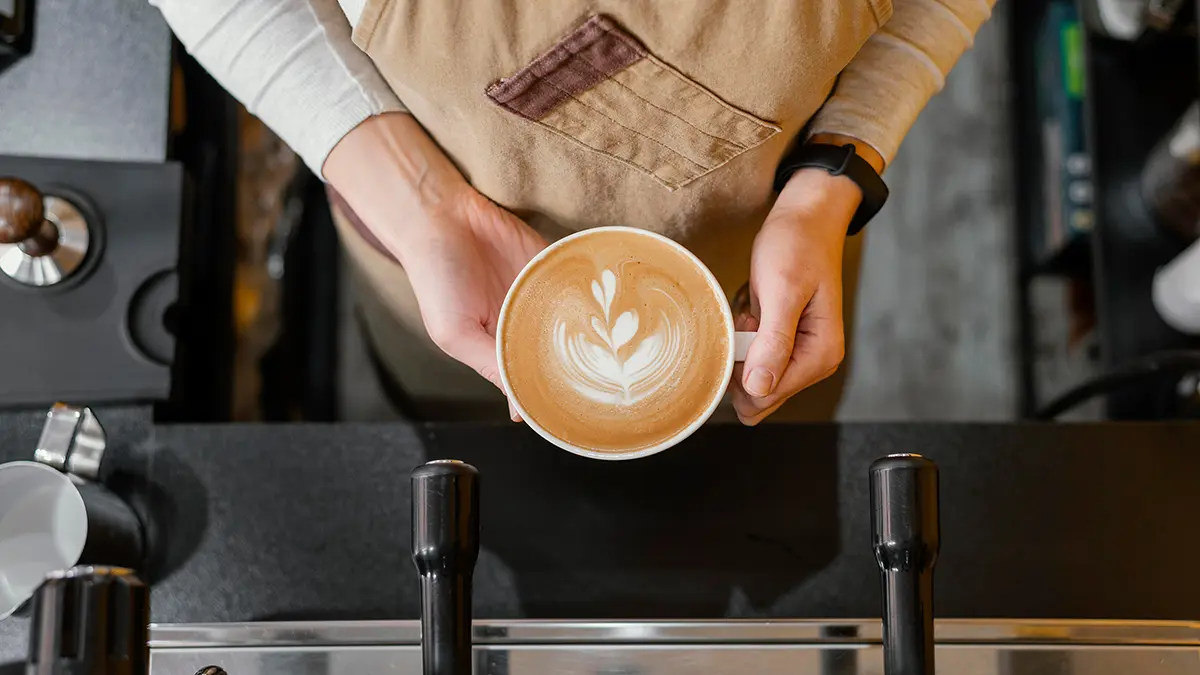
Why is the UK a nation of coffee fanatics, and just how obsessed are we with coffee culture?
Over the past three decades, the UK’s penchant for a piping hot drink has undergone something of a cultural shift, with coffee steadily overtaking tea as the nation’s drink of choice, making coffee cups a common sight in every café in the heart of the city.
Coffee Consumption Statistics
Today, the average Briton consumes 2.7 cups of coffee per day – a figure that now exceeds that of its leafy counterpart, even if, intriguingly, 31% of Brits enjoy over three coffees a day, while 44% of tea enthusiasts drink more than four cups daily. The explanation is that our drive for caffeine and energy is provoking this particular beverage beeline, leading to increased consumption of coffee.
And while tea and coffee consumption has never been higher, so is our dedication to drinking plain old water, which points to a further conscious move away from carbonated and high-sugar drinks.
Evolution of Coffee Shops and Cafes
This burgeoning cultural shift is evident in the explosion of coffee shops around our towns and cities. As little as three decades ago, the provision of high street coffee was patterned by Italian- and UK-style cafes, often serving low-grade or granulated stock, but now we see an evolution in the quality of coffee served in independent coffee shops.
Nowadays, we have a wealth of artisan bean varieties that cater to the growing Coffee culture. When you add that to a similarly rich breadth of milk (and non-dairy) options, and combine with a bevy of brewing styles and techniques, it all adds up to over 100 recognised variations on a simple theme – a cup of coffee.
Diversity in Coffee Offerings
From a café latte to a cortado, a mocha to a macchiato, an Americano to an Affogato; whether full-fat or oat milk, caffeinated or otherwise; from single-origin across fair-trade options – the way we consume our favourite drink has become a sophisticated experience.

The Social Role of Coffee Culture
The social aspect of coffee drinking can also not be overlooked. Dedicated coffee shops have become modern-day community hubs, offering a space for socialising, working and relaxing. The appeal of a cosy café – complete with Wi-Fi and a friendly atmosphere – resonates with people of all ages, and removes the need to accompany casual acquaintances with the pressure to buy food or alcohol, as would be the case in restaurant and pub settings.
Home Coffee Brewing Technology
In addition, the wealth of devices that produce premium-flavour coffee (from bean or pod) – the like of which we could only have imagined back around the time of the Millennium – means we can replicate similarly brilliant brewing in the comfort of our own homes.
And of course, caffeine plays a significant role in coffee’s popularity, making it a staple in the daily coffee break. As a stimulant, it can enhance alertness, improve mood, stimulate creativity and maintain energy levels.
As we continue to embrace this trend, it’s clear that coffee’s place in the UK is more than just a passing phase – it’s a new tradition in the making, with coffeehouses becoming the centre of social life.
Read This Magazine participates in the Amazon Services LLC Associates Program, an affiliate advertising program designed to provide a means for sites to earn advertising fees by advertising and linking to Amazon.com.