

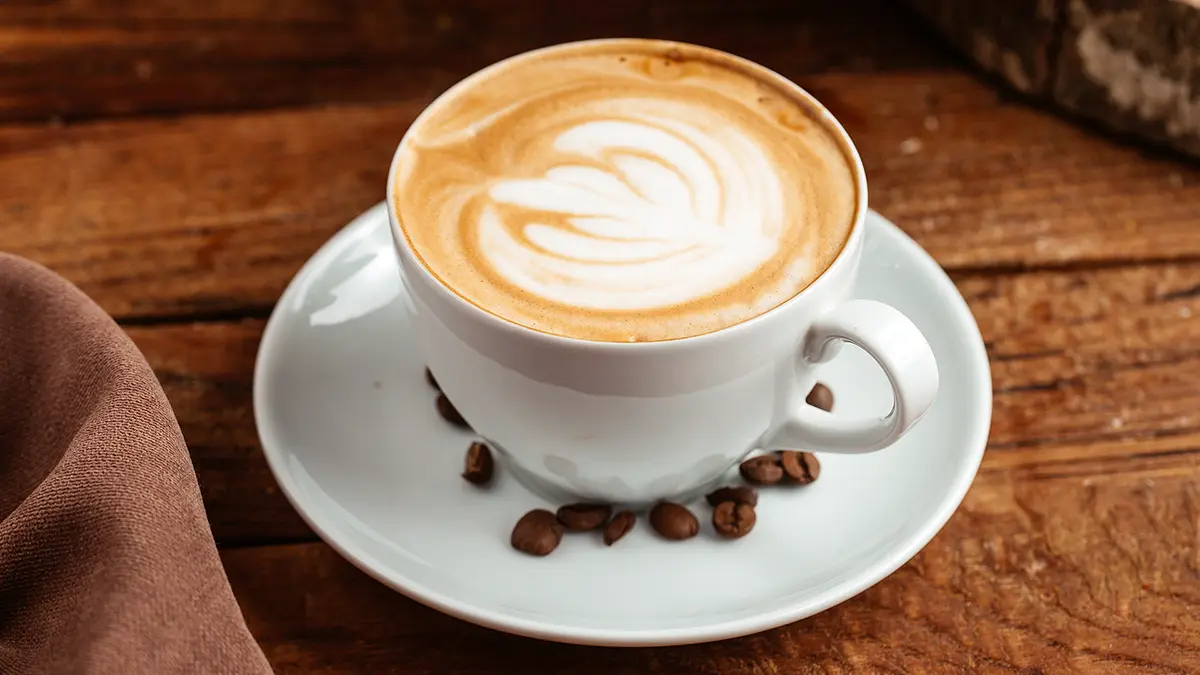
In this UK coffee lover’s guide to choosing the best coffee beans for espresso, we explore everything from roast profiles and bean origins to brewing tips and recommended UK roasters. Whether you’re pulling shots at home or trying to make your morning cafetière taste more like your favourite coffee shop, understanding your beans is the first step towards consistently great coffee.
Why the Right Coffee Beans Matter
The difference between a lacklustre espresso and one that makes you pause to savour every sip often comes down to the quality of the beans. Factors such as freshness, roast profile, origin, and processing all influence flavour, aroma, body, and even caffeine content. High-quality beans are an investment in taste, and coffee that has been sitting in supermarket packaging for months can’t match the vibrancy of a freshly roasted batch. Once you’ve sourced great beans, proper storage and brewing techniques ensure you get the very best from them.
Arabica vs Robusta – Understanding Coffee Bean Types
The two main species of coffee bean are Arabica and Robusta. Arabica is prized for its smooth, sweet flavour, often with complex notes of fruit, chocolate, or flowers, and is grown at higher altitudes in cooler climates. Robusta has a bolder, earthier taste, sometimes nutty or grainy, and generally carries more caffeine. Espresso blends often combine the two, with Arabica delivering complexity and Robusta contributing body and crema. Many UK roasters, such as Union Hand-Roasted and Origin Coffee, balance both varieties in blends to create a rich, satisfying shot.
Coffee Processing and Its Influence on Flavour
How beans are processed at origin has a dramatic impact on taste. Washed coffee, also known as wet-processed, produces a clean and bright cup, often with citrus or floral accents. Natural processing, in which beans dry inside the fruit, creates sweeter, fruitier flavours with a heavier body. Honey processing sits between the two, giving a silky mouthfeel with gentle sweetness. Espresso lovers often favour washed beans for a crisp, balanced result, though naturally processed coffees can add intriguing fruit notes to a blend.
Roast Levels and Their Role in Espresso
Roast level plays a central role in determining how a coffee tastes. Light roasts tend to be bright, floral, or fruity, with higher acidity and lighter body, making them popular for filter methods but more challenging for traditional espresso. Medium roasts strike a balance between acidity and body, while medium-dark roasts bring richer caramel tones, chocolate depth, and lower acidity. Dark roasts, common in classic Italian espresso, are bold, smoky, and low in acidity. Most people seeking the best coffee beans for espresso lean towards medium-dark or dark roasts, though many modern roasters are experimenting with medium roasts for a more vibrant flavour profile. Always check the roast date — beans are at their peak within two to four weeks after roasting.
The Best Coffee Beans for Espresso
Espresso is defined by its rich body, syrupy texture, and thick crema. UK roasters offer excellent options, from Union Hand-Roasted Coffee’s Revelation Blend, with Brazilian sweetness and Guatemalan chocolate notes, to Square Mile Coffee Roasters’ Red Brick, a seasonal blend that balances fruit and sweetness, and Origin Coffee Roasters’ San Fermin Espresso, which delivers caramel and citrus brightness. Single origins also shine in espresso, with Ethiopian coffees offering floral and tea-like qualities, Colombian beans delivering balanced nut and chocolate flavours, and Brazilian beans bringing smooth, cocoa-rich profiles. For a perfect extraction, use a burr grinder to achieve a fine, consistent grind, aiming for a twenty-five to thirty-second pull on a double shot.
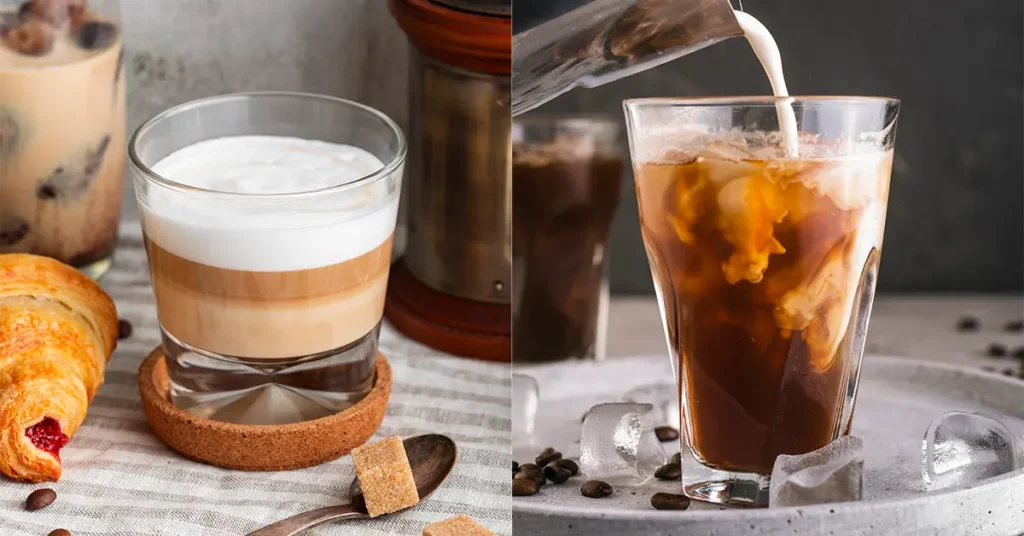
Matching Beans to Popular Coffee Drinks
Espresso
A dark roast Arabica blend or a combination of Arabica and Robusta gives the intensity and crema that define a great espresso.
Cappuccino
This combination of espresso, steamed milk, and foam benefits from medium-dark roasts with nutty and chocolate notes. Beans from Colombia, Guatemala, or Sumatra hold their flavour beautifully in milk.
Latte
With more milk, a latte demands a bean with strength and depth. Medium-dark roasts from Costa Rica or Brazil, often with caramel or nutty undertones, provide balance without being overpowered.
Americano
As an espresso diluted with hot water, the Americano works well with medium-roasted Ethiopian or Kenyan beans, which retain their fruity, floral brightness even when elongated.
Cold Brew
Cold brew’s long, slow steeping brings out natural sweetness and low acidity. Medium-dark roasts from Guatemala or Nicaragua produce smooth, cocoa-infused drinks with hints of fruit.
Storing Coffee Beans for Maximum Freshness
Keep beans in an airtight, opaque container, stored in a cool, dark place. Avoid fridges, which can cause moisture issues, and buy in small amounts to use within a month. Grind only what you need immediately before brewing to capture the fullest aroma and flavour.
Seasonal and Specialty Recommendations
Coffee is a seasonal crop, and origins vary throughout the year. Spring and summer favour African coffees like those from Kenya and Ethiopia, which bring lively, juicy flavours perfect for iced drinks. Autumn and winter call for comforting Central and South American beans with notes of chocolate, nuts, and spice. Many UK roasters, including Pact Coffee, Climpson & Sons, and Has Bean Coffee, offer seasonal selections, making it easy to keep your coffee fresh and interesting.
Pro Tips from Baristas
Professional baristas often emphasise the importance of investing in a burr grinder for consistent extraction. Experimentation is also encouraged, with single origins bringing unique character to espresso. Tasting espresso before adding milk helps you understand the beans’ profile, and adjusting grind size to account for changes in humidity can make a surprising difference to consistency.
Coffee FAQ
Whole beans or pre-ground? Whole beans are always preferable, as they retain their freshness for longer. Grinding just before brewing produces the best results.
Can I use filter coffee beans for espresso? Yes, but you’ll need to adjust grind and dose, as lighter roasts can taste sharp under espresso pressure.
Why does my espresso taste bitter? This may be due to over-extraction, an overly fine grind, or beans that are past their peak freshness.
Which has more caffeine, espresso or cold brew? Per millilitre, espresso has more caffeine, but a full serving of cold brew often contains more overall.
What’s the ideal extraction time for espresso? A good double shot usually takes between twenty-five and thirty seconds.
Is single origin better than a blend for espresso? It depends on preference. Blends offer balance and consistency, while single origins showcase distinct regional character.
What roast works best in a moka pot? Medium to medium-dark roasts give balanced flavour without bitterness.
Do dark roasts have less caffeine? Slightly less, though the difference is small; roast choice affects flavour more than caffeine levels.
How long do roasted beans last? Ideally, they should be used within a month, but with proper storage, they can remain drinkable for up to three months.
Can I freeze coffee beans? Yes, as long as they are stored in airtight portions. Allow them to fully defrost before opening to avoid moisture damage.
By understanding the influence of roast, origin, processing, and freshness, you can choose the best coffee beans for espresso and tailor your selections for other drinks like cappuccinos, lattes, Americanos, and cold brews. With so many exceptional UK roasters and seasonal coffees available, there’s never been a better time to refine your coffee game. For expert-curated bean recommendations, brewing tips, and coffee news delivered straight to your inbox, join our coffee newsletter and make every cup your best yet.